If you are shopping for a home in Coral Gables, architecture is not just about curb appeal. In this city, style can shape maintenance needs, renovation options, and even the approval process for future exterior changes. When you understand what you are looking at, you can make a more confident decision and avoid surprises later. Let’s dive in.
Why architecture matters in Coral Gables
Coral Gables was planned as a “City Beautiful” and “Garden City,” and the city reports that more than 1,000 properties are listed on the Coral Gables Register of Historic Places. That means architectural style carries real weight here, not just design appeal. In many cases, it connects directly to how a property fits within the city’s historic identity.
For you as a buyer, that matters because designated properties and homes in historic districts may face added review before exterior alterations, additions, or demolition-related work. The city’s preservation program exists to protect buildings, sites, and districts with architectural, historical, or cultural significance. In simple terms, two homes with similar photos can come with very different rules.
Mediterranean Revival: the signature Coral Gables look
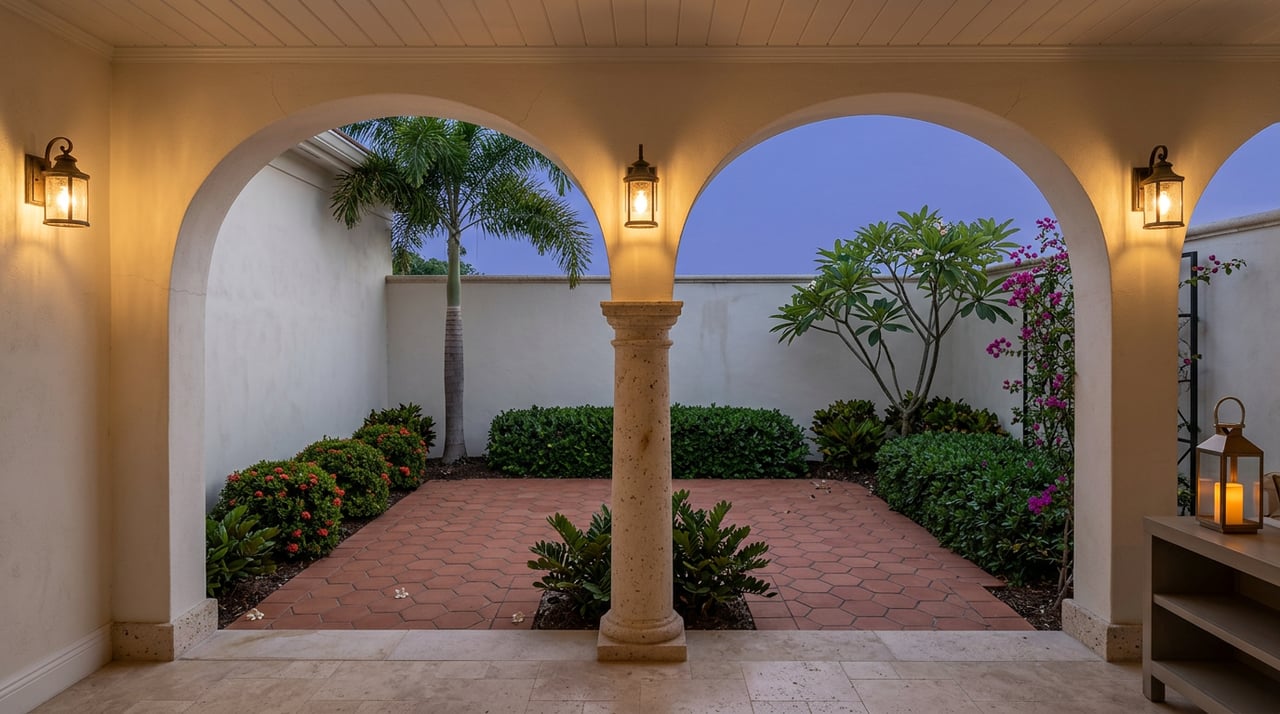
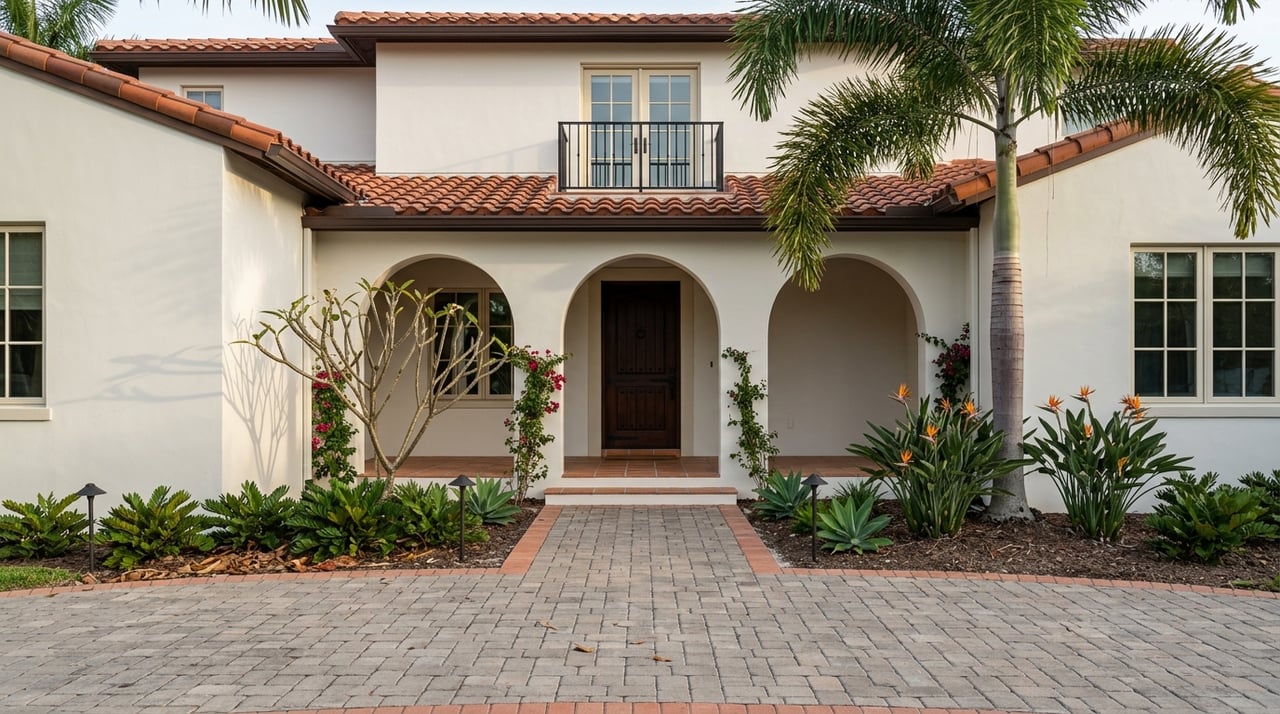
Mediterranean Revival is the style many buyers picture when they think of Coral Gables. Local landmarks such as City Hall, the Biltmore Hotel, Douglas Entrance, and the Cocoplum Woman’s Club reflect this design language. Common features include stucco exteriors, barrel tile roofs, towers, arcades, loggias, and strong Spanish or Mediterranean references.
This style is closely tied to George Merrick’s original vision for the city. Because of that, it often holds strong long-term appeal for buyers who want a home that feels deeply connected to Coral Gables itself. It is one of the clearest examples of architecture supporting both property identity and market desirability.
The tradeoff is maintenance. Original roof tile, stucco, masonry, windows, and ornamental details often need thoughtful care and historically compatible repairs. If you love the look, it is smart to also be ready for the responsibilities that can come with preserving it.
Old Spanish and Mission-influenced homes
Many buyers use the term “Old Spanish” as a shorthand, even though these homes can include Spanish Colonial Revival and Mission-influenced details. These properties often have white or light stucco, red clay tile roofs, deep openings, bell-tower influences, and a more rustic feel than some grander Mediterranean Revival homes. They usually feel textured, warm, and full of character.
In Coral Gables, this style fits naturally with the city’s historic image. It often appeals to buyers who prefer authenticity and charm over crisp minimalism. While these homes can feel less formal than larger Mediterranean properties, they may still come with similar preservation considerations when designated or located within a historic district.
If this is your preferred look, pay close attention to the exterior materials and details that give the home its character. Arches, ironwork, clay tile, stucco, and courtyard elements may all play an important role in future repair or renovation decisions.
Depression Moderne: a bridge to modernism
Coral Gables architecture did not stop with the revival styles of the 1920s. The city’s landmarks also include Depression Moderne, a style that reflects a shift toward cleaner lines and a more streamlined appearance. The Coral Gables Woman’s Club, built in 1936 and 1937, is a local example with native oolitic limestone and carved terra cotta panels.
For buyers, this style can offer an appealing middle ground. It often feels less ornate than classic revival homes, but it still carries historic character and local significance. That can make it easier to pair with updated interiors while preserving an exterior that still feels rooted in place.
If you are drawn to homes that feel refined without heavy ornament, this category is worth knowing. It can offer a distinctive design story that stands apart from the city’s better-known Mediterranean image.
Mid-century modern and postwar modern homes
Mid-century modern and postwar modern homes bring a very different personality to Coral Gables. These properties are generally long and low, with minimal ornament, generous use of glass, and a simpler relationship between walls, rooflines, and open space. They can feel lighter, cleaner, and more connected to the outdoors.
A helpful local reference is the Coral Gables library, built in 1969. It reflects modern design while still borrowing certain Mediterranean touches, including red clay roof tiles, wrought iron fixtures, exposed wood beams, and Florida Keys keystone. That blend shows how local architecture can evolve without fully leaving its roots behind.
If you are considering this style, focus carefully on windows, roof edges, and the building envelope. Those features are central to the home’s overall look. Changes to them can have a major impact on both appearance and long-term upkeep.
Coral rock vernacular and historic villages
Not every Coral Gables home follows the city’s Mediterranean script. Some properties reflect coral rock vernacular, while others sit within Merrick’s themed villages that introduced styles such as Dutch South African, Chinese, French Normandy, Colonial, French Country, French City, and Italian. These areas add variety to the city’s architectural landscape.
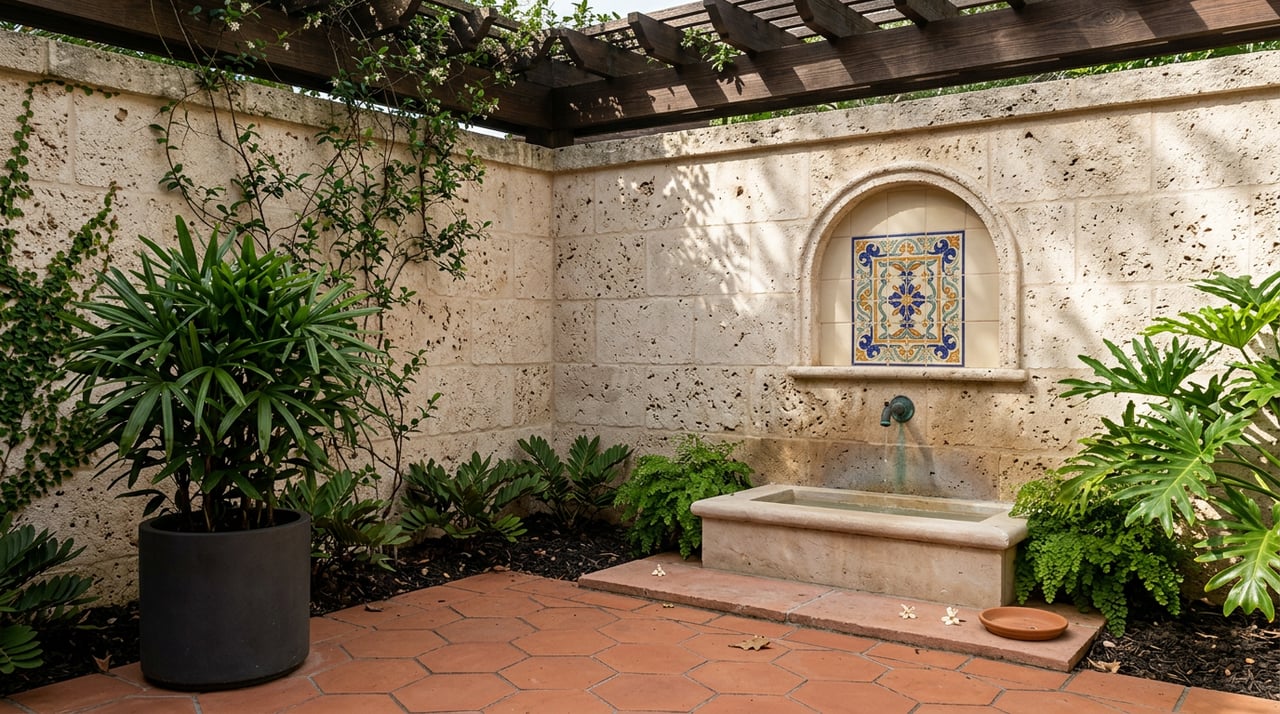
The Merrick House is an early vernacular example using native coral rock, and the Old Police and Fire Station is another coral-rock landmark. The city also notes that the MacFarlane Homestead Historic District is the only National Register-listed historic district in Coral Gables and includes wood-frame vernacular architecture not commonly seen elsewhere in the city.
For you as a buyer, these pockets can offer something more one-of-a-kind. They often appeal to people who value a distinct streetscape and a stronger connection to local history. They also remind you that Coral Gables is more architecturally diverse than many first-time buyers expect.
How style affects permits and renovations
In Coral Gables, architecture and regulation often go hand in hand. The city uses a layered review system, with the Board of Architects reviewing development applications for compatibility in details such as color, materials, fenestration, proportion, and overall order. Historic Preservation staff review designated properties and homes in historic districts through Certificates of Appropriateness.
This matters because a Certificate of Appropriateness is required before most exterior work begins on designated or historic-district properties, before a building permit can be issued, and before any variance can be granted. Minor work like re-roofing, painting, and repairs in kind may be handled administratively. More substantial projects such as additions, major exterior remodeling, or demolition may move to public review.
The city also notes that changes can be approved when they are compatible with the existing architecture. For example, additions may work better when placed on a secondary facade or designed so they do not noticeably change the building’s character. If flexibility is important to you, this is a key issue to understand before you buy.
There are also practical submission requirements to keep in mind. The city requires a tree survey and tree protection plan when submitting to the Development Review Committee and Board of Architects, and when applying for demolition permits. On the positive side, the historic preservation guide states there are no additional fees solely because of historic status, and approved improvements on locally designated properties may qualify for a 10-year freeze on the value of those improvements for ad valorem tax purposes.
What to check before you make an offer
If you are seriously considering a home in Coral Gables, a little extra due diligence can go a long way. Architectural style should be part of your buying checklist, especially if you plan to update the home after closing.
Here are a few smart items to review:
- Confirm whether the property is a local landmark or located in a historic district.
- Ask for permit history and any Certificates of Appropriateness.
- Look closely at original materials such as clay tile, stucco, wrought iron, arches, coral rock, exposed beams, and courtyard or loggia details.
- For modern homes, pay extra attention to windows, rooflines, and the continuity of glass and wall surfaces.
- Weigh the home’s long-term character and appeal against the level of flexibility you want for future changes.
These steps can help you understand whether the home fits your lifestyle, design goals, and renovation plans. They can also help you avoid assuming that a previous update was fully reviewed or approved.
The real buyer takeaway
In Coral Gables, architecture is part identity, part maintenance plan, and part regulatory reality. A home’s style can influence how it ages in the market, how you care for it, and what you may be able to change later. That is why design knowledge is so useful here.
When you buy with a clear understanding of architectural style, you are not just choosing what looks good today. You are choosing how the property may live, perform, and evolve over time. In a place as visually distinctive as Coral Gables, that insight can make a meaningful difference.
If you want help evaluating Coral Gables homes with both design and long-term value in mind, The Simpkin Team can guide you through the details with a private, tailored approach.
FAQs
What architectural style is most associated with Coral Gables homes?
- Mediterranean Revival is the style most closely associated with Coral Gables, with features such as stucco exteriors, barrel tile roofs, arcades, loggias, and Spanish or Mediterranean references.
What should Coral Gables buyers know about historic districts?
- If a Coral Gables property is designated or located in a historic district, many exterior changes may require review and a Certificate of Appropriateness before work begins.
What does “Old Spanish” mean in Coral Gables real estate?
- “Old Spanish” is a common buyer shorthand for Spanish Colonial Revival or Mission-influenced homes with features like light stucco, red clay tile roofs, deep openings, and a more rustic historic character.
Are modern homes common in Coral Gables?
- Yes, Coral Gables includes later architectural styles such as Depression Moderne, mid-century modern, and postwar modern, giving buyers options beyond classic Mediterranean homes.
What should buyers inspect on a Coral Gables modern home?
- Buyers should pay close attention to windows, rooflines, and the continuity of glass and wall surfaces because those features are central to the home’s design.
Can historic Coral Gables homes still be updated?
- Yes, updates may be approved if they are compatible with the home’s existing architecture, and some minor exterior work may be handled administratively by the city.