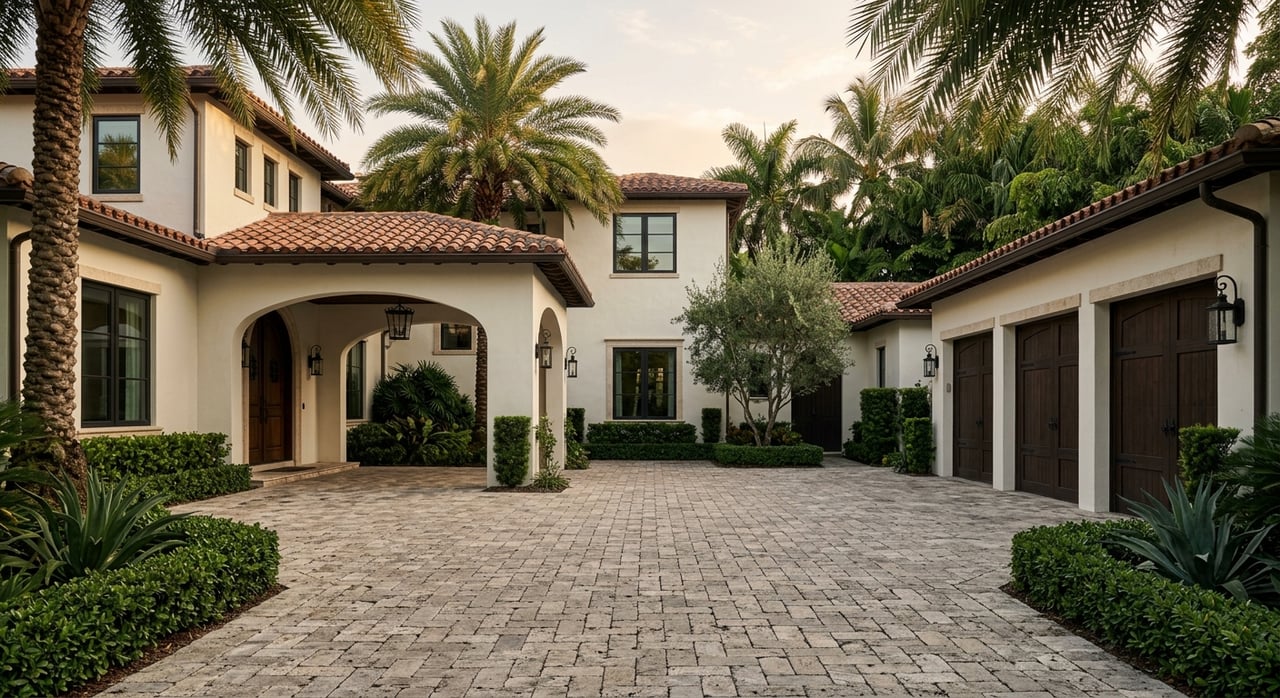
Moving to Miami for sports or entertainment work can feel exciting and overwhelming at the same time. You may need to balance long hours, changing schedules, privacy concerns, family logistics, and the simple question of where daily life will work best. The good news is that Miami offers several clear location options depending on how you work and live. This guide will help you understand the city’s main work hubs, compare neighborhood types, and think through rent-versus-buy decisions so you can make a smart move with confidence. Let’s dive in.
Miami work hubs
If your schedule revolves around games, rehearsals, productions, meetings, or live events, location matters from day one. In Miami, the main sports and entertainment corridor centers on Downtown Miami, Brickell, Wynwood, the Design District, and the stadium and airport zones.
Downtown Miami is home to major venues including Kaseya Center and the Adrienne Arsht Center. loanDepot park is also in the urban core at 501 Marlins Way, which makes the broader Downtown area practical for clients tied to arena events, performing arts, and baseball-related schedules.
Brickell connects closely to Downtown and works well if your days include office meetings, venue access, and frequent movement across the city. According to the Downtown Miami and Brickell area guide, this area also has a free weekday water taxi connection to Miami Beach and access to Metrorail.
For creative and production-focused work, Wynwood and the Design District stand out. Wynwood’s neighborhood profile notes that the area sits north of Downtown and west of Miami Beach, while the Design District spans 18 blocks north of Wynwood. That corridor is especially relevant for producers, stylists, content teams, and executives tied to events, brand work, and visual production.
If your work is tied to football or large-scale event operations, Hard Rock Stadium is a major anchor. The Baptist Health Training Complex, located across from Hard Rock Stadium, includes extensive training and recovery facilities, and Hard Rock Stadium hosts a wide mix of sports and entertainment events.
Best neighborhoods by lifestyle
The right Miami neighborhood depends less on hype and more on how you want your week to function. Some areas are better for privacy and a residential feel, while others put you closer to venues, nightlife, and creative work.
Privacy-focused areas
If you want a more discreet home base, Coconut Grove is often one of the strongest fits. The Coconut Grove neighborhood guide describes quiet residential streets, bayfront parks, and a laid-back tropical setting with easy access to the urban core.
Coral Gables is another strong option if you prefer a more formal, residential environment. It sits a few miles southwest of Downtown Miami and is known for wide tree-lined avenues, plazas, parks, and Mediterranean Revival architecture, according to the Coral Gables neighborhood overview.
Key Biscayne also deserves a close look if island privacy matters to you. The Key Biscayne guide highlights beaches, boating, golf, tennis, and nature access, all just minutes from Downtown Miami.
For households that want quieter housing near the core, Miami Shores, Morningside, and North Bay Village can also make sense. The Miami Shores area guide points to a more residential feel while staying relatively close to Downtown and Miami Beach.
Bal Harbour is another adjacent option if you want a quieter beach setting with a high-end profile. The Bal Harbour village overview emphasizes its oceanfront setting and luxury retail presence.
Event-driven areas
If you want to be in the middle of the action, Brickell and Downtown Miami are often the clearest choices. Brickell’s neighborhood profile highlights bayfront high-rises, dining, parks, and direct proximity to the city’s core business and event activity.
Wynwood and the Design District fit clients whose work involves brand events, fashion, styling, galleries, or public-facing creative work. In practical terms, these neighborhoods can reduce the friction of moving between shoots, meetings, launches, and social events.
South Beach and Sunset Harbour can work well if beach access and visibility matter to your lifestyle. The South Beach area guide also notes the free weekday water taxi connection to Downtown, which can be useful if your work spans both sides of the bay.
Family and airport-friendly areas
If your household needs easier airport access and a practical daily setup, Dadeland, South Miami, and Kendall are worth serious attention. The Dadeland neighborhood overview describes the area as a walkable base with a short drive or Metrorail ride to Miami International Airport, Downtown Miami, and Miami Beach.
That kind of location can be especially useful if your week includes early flights, rotating schedules, rehearsals, training sessions, and school drop-off. In many relocations, convenience wins over flash.
Commute and transit basics
Miami traffic can shape your day more than online maps suggest, so transit access deserves real attention. For many relocating clients, being near reliable routes matters just as much as square footage or views.
Metrorail links Kendall, South Miami, Coral Gables, Downtown, and Miami International Airport. There is also a transfer link to Brightline at Historic Overtown Lyric Theatre station, based on the Downtown Miami and Brickell area information.
That means areas like Dadeland, South Miami, Coral Gables, and Downtown can offer a more manageable routine if your schedule is unpredictable. If you are choosing between a glamorous address and a practical one, daily transportation often becomes the deciding factor after move-in.
Renting versus buying in Miami
For many sports and entertainment relocations, a lease-first strategy is the lower-friction option. It gives you time to test commute patterns, privacy preferences, and family routines before making a long-term purchase.
That said, buying can become more attractive if you plan to make the property your true primary residence. The Florida Department of Revenue explains that Florida’s homestead exemption can reduce taxable value by as much as $50,000, and the Save Our Homes cap may limit annual assessed-value increases. Portability may also allow some accumulated benefit, up to $500,000, to transfer to a new Florida homestead.
There are important rules to understand before you count on those benefits. Miami-Dade Property Appraiser guidance states that a home rented on January 1 is not eligible for homestead, and periodic rentals can jeopardize the exemption if they exceed 30 days in two consecutive years. The filing deadline for homestead and portability is March 1.
In short, renting may be smarter if your assignment length is uncertain. Buying may make more sense if you expect to stay, occupy the property as your primary home, and want to benefit from Florida’s long-term tax structure.
Privacy and security considerations
For high-profile clients, privacy should be part of the housing search from the beginning. You may want to look beyond finishes and amenities and focus more carefully on how a building or property actually functions.
In Miami, security-conscious systems are common. For example, Miami Country Day School uses visitor screening and digital ID badges, and the research also notes that Gulliver Prep uses visitor screening and identification checks.
That does not make one home automatically better than another, but it does show why practical details matter. Gated entry, staffed lobbies, controlled garage access, discreet arrival paths, and overall access control are worth reviewing carefully when comparing homes and condos.
Family setup and school logistics
If you are moving with family, your search may revolve around logistics as much as location. School campus locations, drive times, and airport access can shape where you feel most comfortable living.
Miami Country Day School is located in Miami Shores, about 15 minutes north of Downtown Miami and within a manageable drive of Coconut Grove, Coral Gables, Miami Beach, and the airport. That central positioning is one reason Miami Shores often appears in family relocation conversations.
Coconut Grove is also a common family search area because Ransom Everglades has two campuses there, and Carrollton School of the Sacred Heart is also located in Coconut Grove. Coral Gables and Pinecrest often enter the conversation as well because Gulliver Prep has campuses in Coral Gables and Pinecrest, according to the research provided.
When you are comparing neighborhoods, it helps to think in loops rather than single destinations. Your real routine may include airport runs, training sessions, rehearsals, meetings, and school drop-off in the same day, so a location that supports all of those stops can be more valuable than one with a stronger headline image.
A simple way to narrow your search
If you want to simplify your Miami relocation, start by matching your housing search to your actual work pattern.
- Choose Brickell or Downtown Miami if your life centers on arena access, meetings, arts venues, and the urban core.
- Choose Wynwood or the Design District if your work is creative, public-facing, or production-heavy.
- Choose Coconut Grove, Coral Gables, Key Biscayne, Miami Shores, Morningside, North Bay Village, or Bal Harbour if privacy and a more residential setting matter most.
- Choose Dadeland, South Miami, or Kendall if airport access, Metrorail, and practical family logistics are your top priorities.
The right answer is usually the one that reduces friction in your daily life. If you want tailored guidance, The Simpkin Team offers discreet, high-touch support for sports and entertainment relocations across Miami-Dade and South Florida.
FAQs
What area is best in Miami for arena or downtown entertainment work?
- Brickell and Downtown Miami are usually the closest fit for arena-based work, office meetings, and live event schedules.
What Miami neighborhoods fit a more private relocation lifestyle?
- Coconut Grove, Coral Gables, Key Biscayne, Miami Shores, Morningside, North Bay Village, and Bal Harbour are strong options for a more residential or lower-profile setup.
What Miami neighborhoods work best for creative production jobs?
- Wynwood and the Design District are the clearest fit for many production, styling, brand event, and creative-industry relocations.
Is it better to rent or buy when relocating to Miami for sports or entertainment work?
- Renting first can make sense if your assignment length or commute needs are still unclear, while buying may be more attractive if you plan to make the home your primary residence and stay long enough to benefit from Florida homestead rules.
What Miami areas are practical for airport access and family routines?
- Dadeland, South Miami, and Kendall are often practical choices because they offer useful access to Miami International Airport, Downtown, and Metrorail-connected routes.