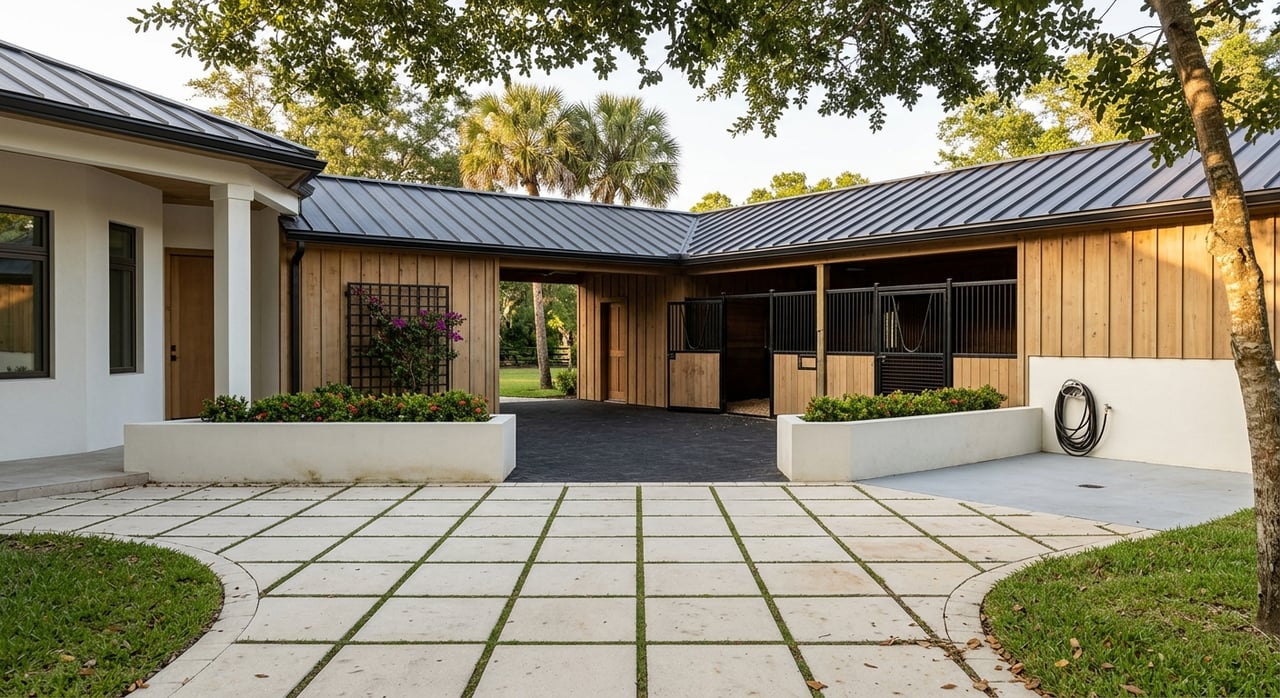
If you are selling a Davie ranch or equestrian home, you are not just selling bedrooms and square footage. You are selling a lifestyle that can feel unfamiliar to buyers coming from downtown condos, gated subdivisions, or other more urban settings. The good news is that with the right strategy, you can help city buyers understand the value, function, and appeal of your property. Let’s dive in.
Why Davie Stands Out
Davie offers something rare in South Florida: a rural atmosphere with strong everyday access to major roads, Fort Lauderdale-Hollywood International Airport, and Port Everglades. The town highlights its western-themed identity, equestrian lifestyle, and more than 165 miles of trails as part of its character.
That matters when you market your home. For many city buyers, Davie is appealing because it blends open space and land-based living with regional convenience. Your property becomes more compelling when buyers can clearly see both sides of that story.
Sell the Lifestyle, Not Just the Lot
A city buyer may not immediately understand why a paddock, wash rack, or tack room matters. They may not even use those spaces for horses. Your job is to help them see how the property lives and functions in real life.
Instead of relying only on horse terminology, translate features into benefits. A barn can also represent organized storage and flexible workspace. A wide access drive can signal easy trailer movement, guest parking, or room for service access. Fenced land can communicate privacy, separation of uses, and outdoor versatility.
Explain Davie’s Equestrian Identity
Davie’s horse-friendly environment extends beyond private homes. The town includes equestrian trails, horse-oriented parks, and facilities such as Bergeron Rodeo Grounds, which hosts horse shows and other events in the historic western-themed downtown district.
Public equestrian amenities also help buyers understand that a Davie ranch property is part of a broader local setting, not an isolated niche. Facilities like Oakhill Equestrian Park include a round pen, arena, wash racks, water access, and trail connections, giving buyers a concrete example of what equestrian infrastructure looks like in Davie.
Put Trail Access in Plain English
Davie’s trail system connects residential areas, open space, parks, schools, and other points of interest. The system includes paved paths for walking and biking, as well as unpaved paths for equestrian use, and motorized vehicles are not permitted on these trails.
For a city buyer, that translates into usable outdoor access and a different pace of living. If your property has nearby or direct trail access, explain that clearly and simply. If it does not, be accurate about the distance and type of nearby trail access.
What City Buyers Want to Understand
Urban and suburban buyers often need more context when they tour a ranch or equestrian property. They want to know how much land is truly usable, which improvements are permanent, and whether the setup fits personal enjoyment, hobby use, or something more intensive.
The clearer you are, the easier it is for buyers to picture themselves there. That is especially important because staging and presentation can directly affect how quickly a home sells and how strongly buyers respond.
Answer These Questions Early
When preparing your listing, make sure it addresses practical questions like these:
- How much of the land is usable day to day?
- Is trail access on-site, nearby, or off-site?
- Which amenities are permanent improvements?
- Are there paddocks, barns, wash areas, tack rooms, or trailer access?
- Is the property currently set up for personal use?
- If there is a farm or agricultural element, is that use personal or commercial?
Buyers do not want to guess. When they get direct answers early, they are more likely to stay engaged and move forward with confidence.
Marketing Matters More With Unique Properties
A Davie ranch or equestrian home needs more than standard listing photos. Buyers searching online consistently value visuals and detailed information. In NAR’s 2025 buyer research, internet users rated photos, detailed property information, floor plans, and virtual tours as especially useful in their home search.
That is a big advantage for sellers who invest in clear presentation. Team Simpkin’s polished, high-touch marketing approach fits especially well here because unique homes need thoughtful storytelling, not just exposure.
Show the Property as a Home and a Land-Use Asset
Your marketing package should help buyers understand two things at once: how the home feels and how the property functions. That means showing more than the kitchen, living room, and primary suite.
You should also highlight the features that make the property work on a daily basis. Depending on the home, that may include:
- Driveway width and trailer access
- Fencing and gates
- Paddocks and turnout areas
- Barns and stalls
- Tack or feed rooms
- Wash racks or utility water access
- Outdoor entertaining areas
- Open land with clear usability
This kind of detail matters because buyers often begin their search on a phone or tablet, and they make quick decisions based on what they can understand visually.
Use Staging to Reduce Buyer Friction
Staging can help buyers picture how they would live in the home, especially when the property has specialized features. NAR’s 2025 staging report found that 83% of buyers’ agents said staging made it easier for buyers to visualize a future home. The same report found that some sellers’ agents saw faster sales and stronger offers.
For ranch and equestrian listings, staging does not mean stripping away personality. It means reducing confusion. Clean lines, organized utility spaces, tidy barns, and well-presented outdoor areas can make the property feel more accessible to a buyer who has never owned acreage before.
Pricing and First Impressions Count
Davie’s market snapshot shows why early positioning matters. As of May 31, 2026, Zillow estimated the average Davie home value at $516,694 with homes pending in about 37 days. Realtor.com reported a median list price of $439.9K and 59 median days on market in March 2026.
These figures are not directly comparable, but they point to the same conclusion. Pricing accuracy and strong presentation matter. For a property type that already asks buyers to learn something new, weak marketing can cost you valuable momentum.
Be Precise About Agricultural Use
If your property includes a working-farm component, be careful about how that is described. Broward County treats horses as livestock for agricultural classification only when the use is bona fide commercial agriculture. Horses kept for personal pleasure or sport do not qualify on that basis.
This is important for both compliance and buyer expectations. If your property has any agricultural classification or use history, you should present that accurately and avoid broad assumptions. A new purchaser must also file a new application to continue an agricultural classification, and Broward uses the property’s use as of January 1 as a guidepost, with an initial application deadline of March 1 for qualifying properties.
Why Clarity Protects Your Sale
A city buyer may hear terms like agricultural classification and assume a tax benefit automatically transfers. That can create confusion later in the process. The better approach is simple, factual disclosure about how the property is currently used and whether any classification depends on specific qualifying activity.
Clear communication protects your timeline and keeps negotiations focused on real value instead of misunderstandings.
Build a Smarter Seller Timeline
Because equestrian and ranch homes require more thoughtful prep, it helps to start several weeks before you plan to list. This gives you time to clean up land areas, organize utility spaces, plan photos, and tighten the story around how the property lives.
That preparation window matters in a market where homes may move to pending in about 37 days. If you wait until the listing is live to answer basic questions, you may lose buyer attention early.
Prepare for Storm Season Logistics
In South Florida, timing also means weather. Atlantic hurricane season runs from June 1 through November 30, so sellers should build flexibility into photography, inspections, and any horse-moving or animal-related logistics during that period.
Davie also supports horse-conscious preparedness through resources such as its Community Barn Watch Program and related large-animal disaster planning information. If your property involves animals, feed storage, trailers, or barn operations, storm planning is part of smart sale preparation.
How to Appeal to the Right Buyer
Not every buyer will be a rider, trainer, or horse owner. Some will simply want more land, privacy, storage, outdoor access, or a property with a distinctive South Florida feel. That is why your marketing should stay broad enough to attract lifestyle buyers while still being accurate for buyers who want equestrian use.
This balance is where expert positioning matters most. When your home is presented with strong visuals, clear explanations, and a polished narrative, city buyers can see the opportunity instead of the complexity.
If you are thinking about selling a Davie ranch or equestrian home, the right preparation can make all the difference. For discreet guidance, polished presentation, and a marketing plan built around how unique properties actually sell, request a private consultation with The Simpkin Team.
FAQs
What makes a Davie ranch home appealing to city buyers?
- Davie offers a rare mix of rural atmosphere, equestrian culture, trail access, and convenient connections to major roads, the airport, and Port Everglades.
How should you market a Davie equestrian property to non-horse buyers?
- You should explain horse-specific features in terms of everyday function and lifestyle benefits, such as privacy, storage, flexibility, outdoor living, and usable land.
What listing details matter most for a Davie ranch or horse property?
- Buyers usually want clear information about usable acreage, trail access, fencing, barns, paddocks, utility features, and whether the property is set up for personal or commercial use.
Why are photos and virtual tours important for selling a Davie equestrian home?
- Buyer research shows that photos, detailed property information, floor plans, and virtual tours are among the most useful tools in the home search process.
How does agricultural classification work for a Davie property with horses?
- In Broward County, horses qualify toward agricultural classification only when the use is bona fide commercial agriculture, not when horses are kept only for personal pleasure or sport.
When should you start preparing a Davie ranch property for sale?
- It is wise to begin several weeks before listing so you have time for staging, photography, cleanup, and clear marketing around the property’s land use and features.
What should sellers in Davie consider during hurricane season?
- From June 1 through November 30, you should allow extra flexibility for photography, inspections, scheduling, and any logistics involving horses or other large animals.