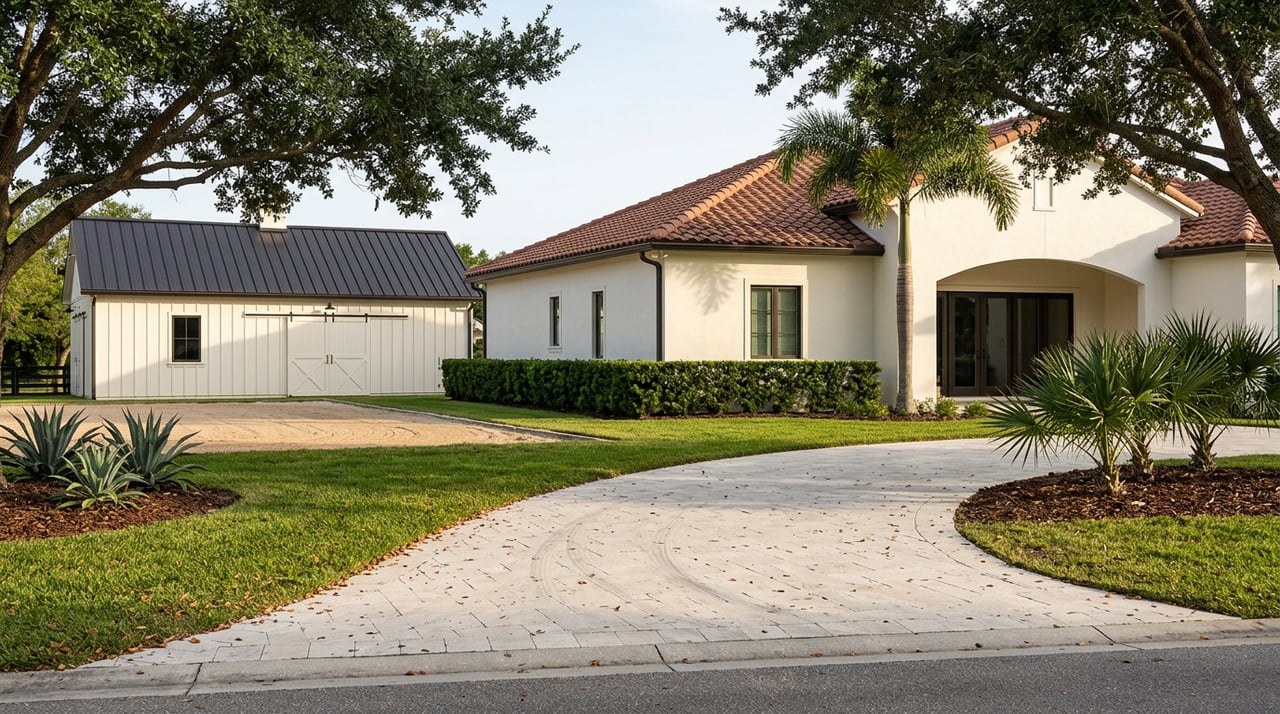
Thinking about buying in Davie and wondering if you should live in an equestrian area or a traditional neighborhood? You are not alone. Davie offers a rare mix of suburban convenience near I‑595 and the Turnpike with a true riding culture that includes public trails and a working rodeo scene. In this guide, you will learn how equestrian and non‑equestrian areas compare, what rules and costs to expect, and how to choose the right fit for your lifestyle. Let’s dive in.
Davie at a glance: why riders choose it
Davie embraces its equestrian identity. The town’s Bergeron Rodeo Grounds host regular events that keep western culture front and center for residents and visitors alike. You can get a quick sense of that spirit by exploring the Bergeron Rodeo Grounds calendar and venue details.
Public riding access is another draw. Tree Tops Park and Robbins Preserve offer multi‑use and equestrian trails that riders across Broward use year‑round. You can see both parks highlighted on the Town’s list of things to do in Davie. The result is a lifestyle where you can ride close to home while staying minutes from major employment and retail hubs.
What “equestrian area” means in Davie
In Davie, equestrian living is defined by parcel-level permission and practical access. Some zoning districts and special overlays support agriculture and rural character, and certain districts list agriculture among permitted uses. The Town’s Land Development Code and overlays such as the Western Theme or United Ranches Overlay add design and use rules that preserve a western feel. You can review the code structure and overlays summarized in Davie’s Land Development Code excerpts.
Because rules vary, you should treat horse permission as a yes-or-no question for a specific parcel. Here is how to verify it:
- Ask the listing agent for the parcel’s zoning designation, legal description or folio number, and any known code issues.
- Confirm allowed uses and standards directly with Town of Davie Planning and Zoning. Request written confirmation if possible.
- Review private restrictions. HOA covenants, deed restrictions, and plat notes can prohibit livestock or limit accessory structures even when zoning allows them.
Equestrian vs non‑equestrian: a side-by-side view
No two buyers approach this the same way. Use these lenses to compare options.
Property use and space
- Equestrian areas
- Typically larger lots with rural residential or agricultural zoning where horses may be allowed, subject to parcel specifics and setbacks.
- More flexibility for barns, paddocks, and arenas, but still subject to code and permits.
- Non‑equestrian areas
- Smaller, traditional suburban lots with convenient neighborhood amenities.
- Lower yard maintenance and fewer site-planning obligations.
Barns, fencing, and permits
- Equestrian areas
- Expect building permits for most barns, run‑ins, major fencing, arena lighting, and any electrical or plumbing. The Town’s Building Division outlines permit requirements in its FAQs.
- Site plans and product approvals are common, including Florida Building Code wind requirements.
- Non‑equestrian areas
- Accessory structures may be limited by zoning and HOA rules. Even simple sheds or fences can still need permits.
Trailer and equipment parking
- Equestrian areas
- Trailer storage is often easier but still regulated. Parking location and visibility matter.
- Non‑equestrian areas
- In many residential districts, non‑commercial trailers must be concealed from public view or stored in a side or rear yard. Review the Town’s code and parking FAQs and any HOA rules.
Riding access and convenience
- Equestrian areas
- Quicker access to Davie’s bridle paths and nearby parks like Tree Tops and Robbins, plus proximity to local boarding, trainers, and farriers.
- Non‑equestrian areas
- You will likely haul to parks or board off‑site for regular riding, which can be convenient if you prefer a simpler home routine.
Daily maintenance and lifestyle
- Equestrian areas
- More hands‑on time. Plan for feeding, turnout, fence checks, mucking, and storm prep during summer heat and rain.
- Non‑equestrian areas
- Less time on upkeep. If you board, stable staff handles daily care.
Budget and taxes
- Equestrian areas
- Higher ongoing costs for feed, bedding, manure handling, pest control, and farrier and vet visits. If you qualify for agricultural classification due to commercial equine activity, your taxable value may be reduced. Review Broward’s agricultural classification guidance.
- Non‑equestrian areas
- Lower property maintenance. If you board, expect a monthly fee in addition to routine care costs.
Land and forage: how much acreage per horse
A practical rule of thumb for Florida pastures is about 1.0 to 2.5 acres per mature horse, depending on pasture quality, forage type, and management. Highly productive bermudagrass systems can support roughly 1 to 1.5 acres per horse. Lower productivity pastures often need 2 to 2.5 acres per horse to avoid overgrazing. UF/IFAS explains these ranges and management choices in its guide to pastures and forage for horses.
Keep in mind that rotation, supplemental hay, and your turnout schedule all affect land needs. Many Davie owners with smaller acreages rely on dry lots for turnout plus hay and concentrate feeding.
Manure and environmental planning
A single 1,000‑pound horse can produce 35 to 50 pounds of manure per day. On small farms, that adds up to more than 9 tons per year and calls for a clear plan. UF/IFAS offers practical guidance on composting and on-site storage, including siting away from water and managing runoff. If you plan new stalls or a barn, expect the Town to review how you will handle manure as part of site planning. For tips you can put to work immediately, see UF/IFAS’s guide to manure composting for small horse farms.
Budget snapshot: owning vs boarding
Costs vary with care level and season. Industry summaries suggest:
- Owner‑kept at home: plan for several hundred dollars per month per horse for feed and bedding, plus farrier every 4 to 8 weeks and routine vet care. Summer heat and insects can increase costs for water and pest control.
- Boarded: expect about 300 to 1,000+ dollars per month per horse depending on services and stall care. See a useful overview of cost drivers in this industry summary.
Your exact numbers will depend on feed choices, turnout, show schedule, and whether you hire help for daily care.
Market reality in Davie: what homes cost
Davie’s overall average home value is about 509,316 dollars as of late January 2026. Horse-capable properties usually trade at a premium because usable acreage and improvements command higher prices. Recent examples in Davie illustrate the range:
- Around 0.87 acre with horse facilities sold near 1.55 million dollars.
- Around 1.23 acres sold near 1.65 million dollars.
- A sub‑1‑acre parcel with horse‑friendly zoning closed near 675,000 dollars.
Smaller horse-capable lots around 0.5 to 1.0 acre often sell in the high six figures to low seven figures. Parcels of 1+ acre with functional barns and arenas frequently fall in the low to mid seven figures. Larger farms with multiple stalls and professional infrastructure can trade higher. Use current comps to price any specific property.
Permits, barns, and trailer parking: what to check
Before you fall in love with a home, build a quick due-diligence plan:
- Verify zoning and overlays for the specific parcel. Check permitted uses, animal limits, and accessory structure rules. You can preview code structure via Davie’s LDC excerpts.
- Request the property’s permit history. Ask for copies of approved site plans and recorded approvals for barns, arenas, major fencing, and electrical or plumbing. The Town’s Building Division outlines permitting in its FAQs.
- Review trailer parking rules. In many residential districts, non‑commercial trailers must be concealed from public view or stored in specific locations on the lot. See the Town’s parking FAQs and any HOA rules.
- Confirm setbacks, drainage, and flood considerations that could impact barn placement or manure storage.
Taxes and financing for horse properties
If you pursue boarding, breeding, or training as a bona‑fide commercial activity, your property may qualify for agricultural classification that reduces taxable assessed value. Broward County explains eligibility, documentation, and deadlines in its agricultural classification guide. Because this status can affect how land and improvements are valued, speak with your lender and appraiser early so underwriting reflects the intended use.
Decision guide: which is right for you
Use these practical filters to find your fit.
Choose an equestrian area if:
- You plan to keep horses at home and want daily care on site.
- You need space for barns, turnout, and trailer storage.
- You value quick access to Davie’s bridle paths and parks.
Choose a non‑equestrian area if:
- You ride occasionally and plan to board off‑site for convenience.
- You prefer a lower‑maintenance yard and traditional neighborhood setting.
- You want the home base but not the daily chores.
Consider a hybrid approach:
- Live in a traditional neighborhood and lease a nearby stall seasonally.
- Or buy in a horse‑friendly area, then board during peak show months to simplify travel.
Your next steps in Davie
Ready to compare specific properties? Here is a simple next‑step checklist:
- Confirm zoning and overlays for each parcel and request written determination if possible. You can preview the framework in Davie’s code excerpts.
- Review HOA covenants, deed restrictions, and plat notes for any livestock or accessory structure limitations.
- Obtain the full permit and code‑compliance history from the Town. Ask for any site plans tied to barns, arenas, fencing, drainage, or lighting. The Town’s permit FAQs explain key steps.
- Evaluate water and pasture plans. Align acreage with UF/IFAS guidance on stocking rates and pasture management, and confirm space for manure handling per manure management best practices.
- Build a realistic operating budget. Factor in hay, feed, farrier, vet, pest control, and hurricane‑season prep. If you plan to board, use the industry cost overview to set expectations.
- Discuss tax and lending impacts. Review Broward’s agricultural classification and talk with your lender and insurance advisor about coverage for barns and wind events.
If you want a confident, streamlined search tailored to how you live and ride, connect with The Simpkin Team for a private consultation. We will help you weigh tradeoffs, surface the right opportunities, and move forward with clarity.
FAQs
What are the best places to ride horses in Davie?
- Tree Tops Park and Robbins Preserve are popular options for equestrian trails, listed on the Town’s page of things to do in Davie.
How do I verify that a Davie property allows horses?
- Confirm the parcel’s zoning and any overlays with Town Planning and Zoning, review the Land Development Code structure via this overview, and check HOA or deed restrictions.
Do I need a permit to build a barn or arena in Davie?
- Yes, plan on permits for barns, run‑ins, major fencing, arena lighting, and electrical or plumbing work. See the Town’s Building Division FAQs.
Can I park a horse trailer at home in Davie?
- Non‑commercial trailers are allowed with conditions. In many residential districts, trailers must be stored in a side or rear yard and concealed from public view; always check the Town’s parking FAQs and your HOA.
How much land do I need per horse in South Florida?
- UF/IFAS recommends planning for about 1.0 to 2.5 acres per mature horse depending on pasture productivity and management. See the UF/IFAS guide.
How does agricultural classification work for horse properties in Broward?
- Agricultural classification can reduce taxable assessed value for bona‑fide commercial agricultural uses. Review eligibility and documentation at the Broward County Property Appraiser’s site for agricultural classification.