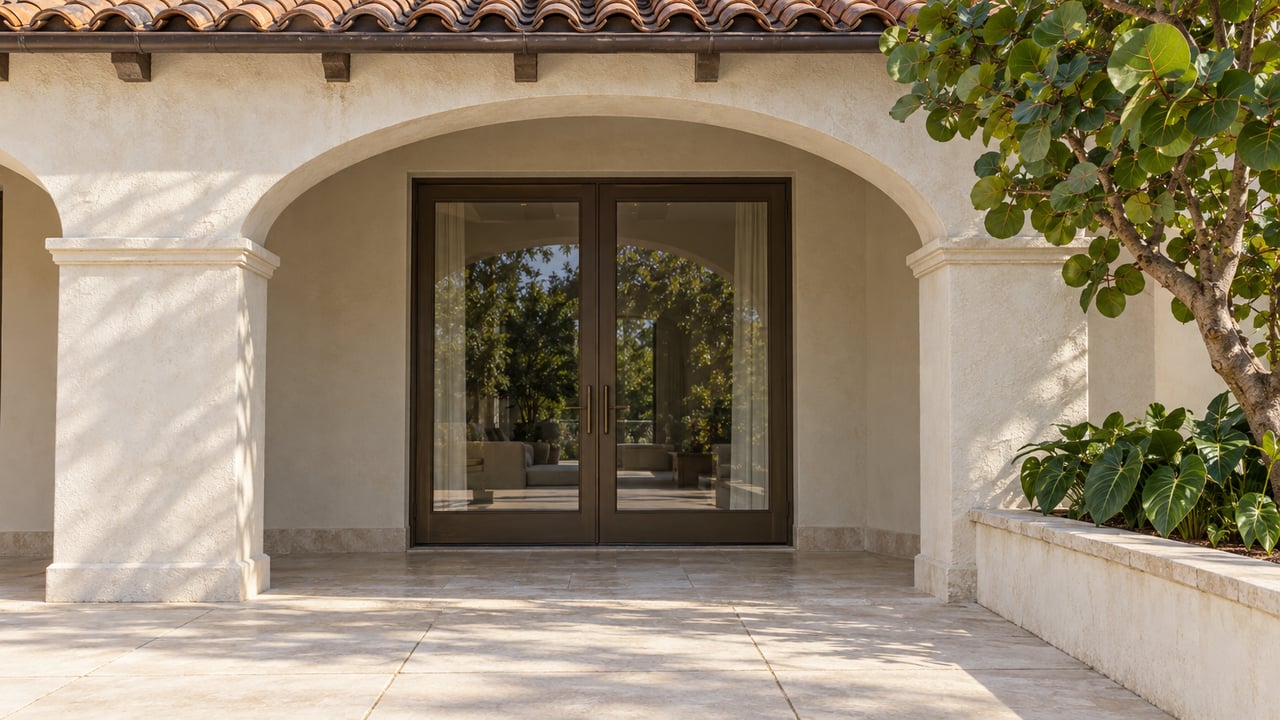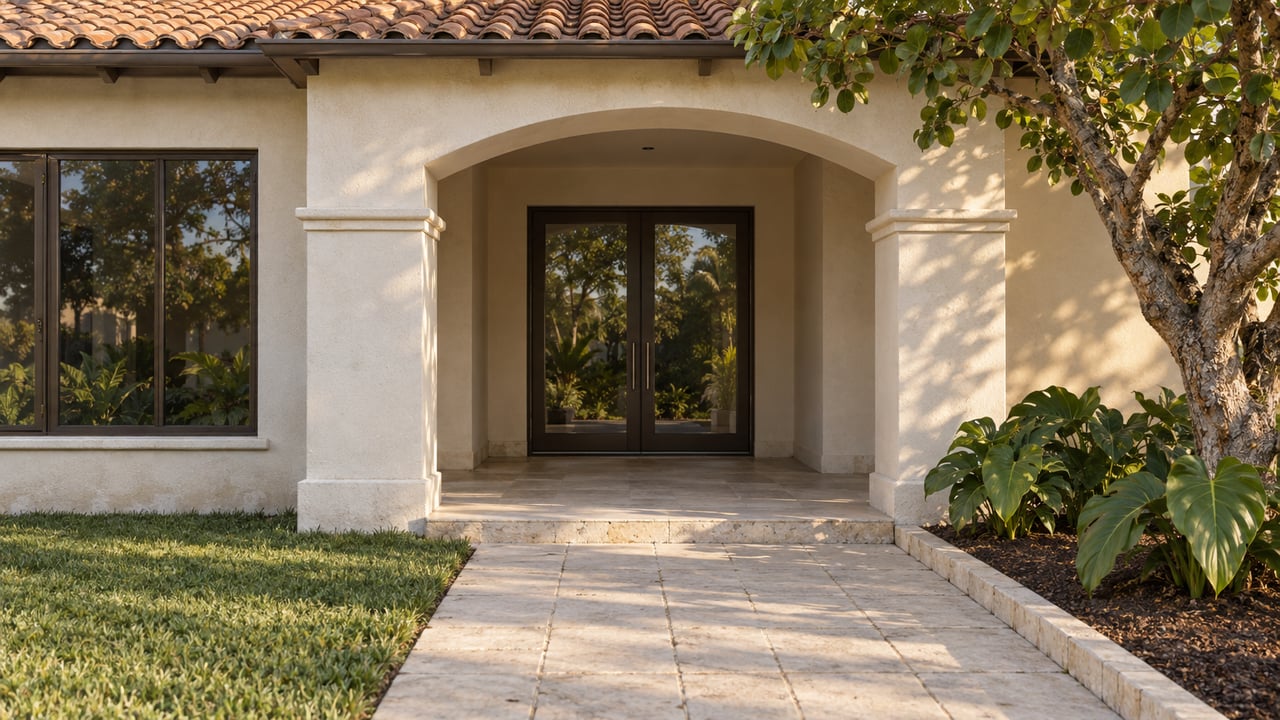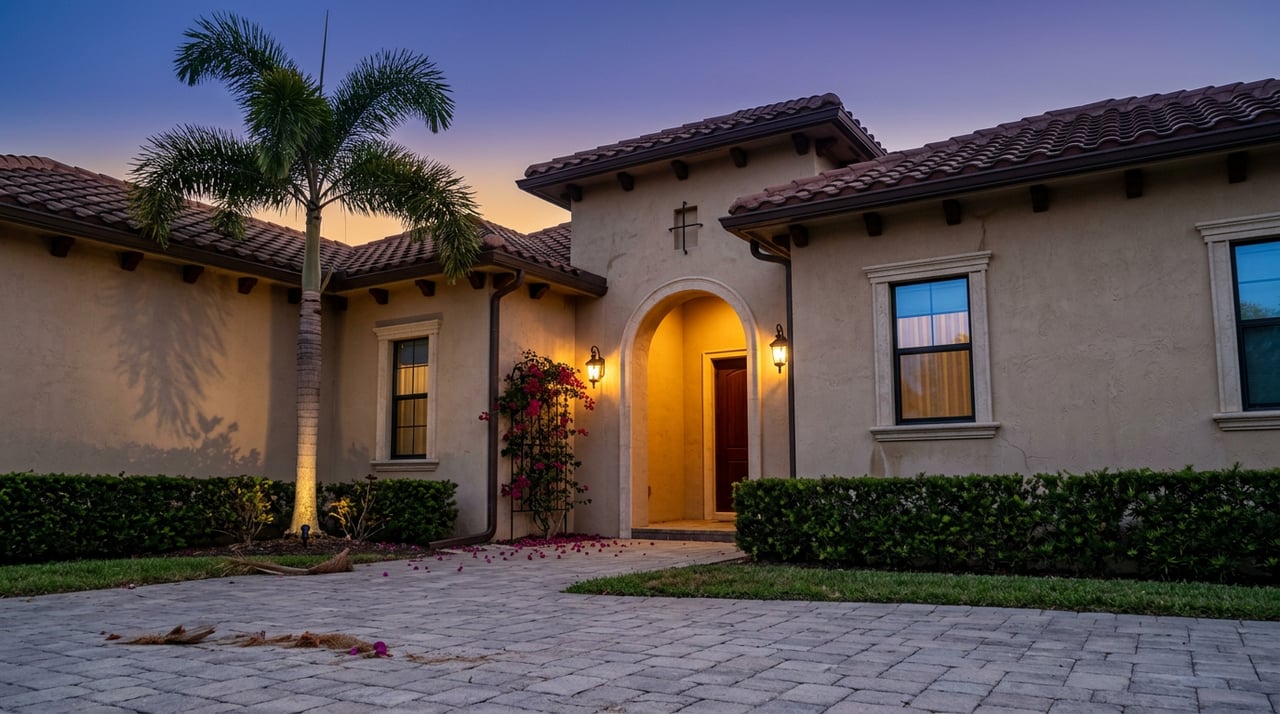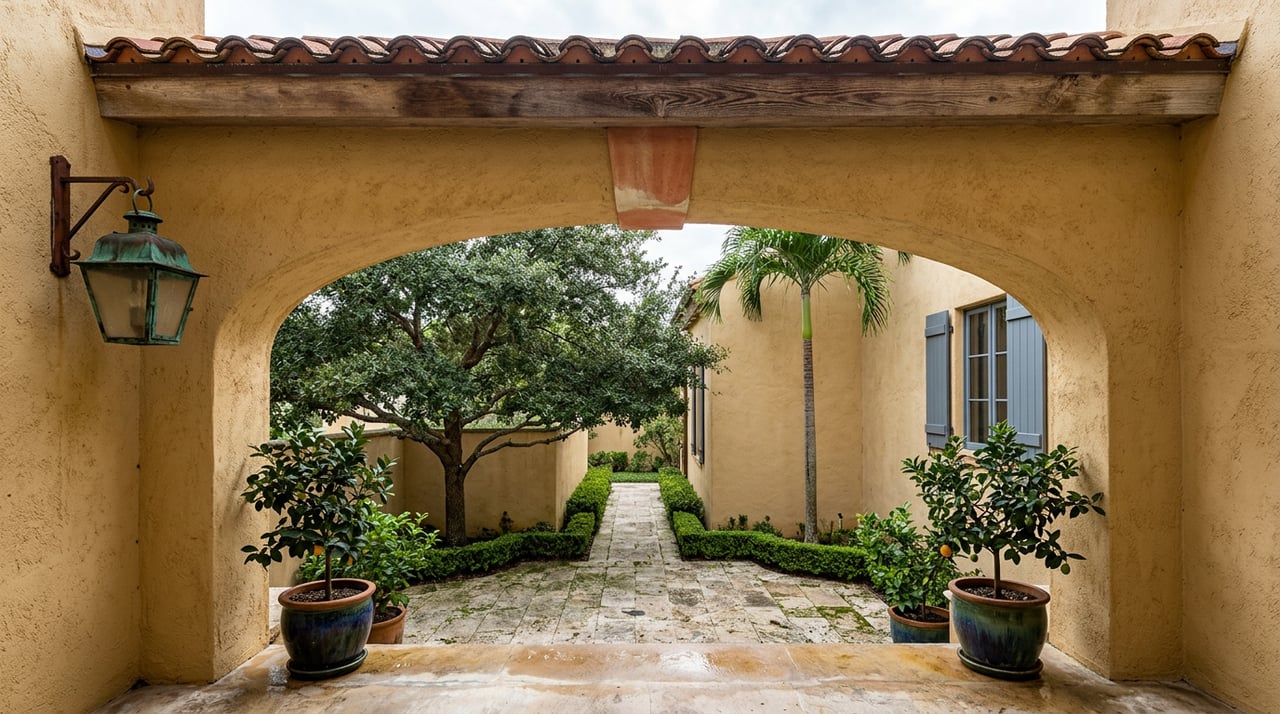
Most people assume Coral Gables' famous design scrutiny is a preservation story: old houses get watched, new houses don't. Ask a buyer eyeing a 1990s infill home on a quiet street off Alhambra Circle, and they will usually tell you they're free to paint it whatever they want, swap the windows, redo the driveway, because the house isn't "historic."
They're wrong, and the gap between that assumption and how the city actually works is the single most common surprise for anyone planning exterior work here. According to Composite GC, Coral Gables' Board of Architects reviews almost every exterior change to almost every residential property in the city limits, whether the house was built in 1926 or 2016. Historic designation does not create the requirement in the first place. The requirement is citywide.
It's Not About Age. It's About the City You're In.
The Board of Architects exists to keep new work compatible with the surrounding streetscape, not just to freeze old buildings in amber. Its jurisdiction covers new residences, additions, pools, driveways, signs, roof tiles, and building expansions, and it meets weekly to work through that queue. That mandate applies regardless of when a given house was built or whether it carries any historic designation at all.
In practice, that means paint color changes, window replacements, roofing changes, fence and gate installations, driveway and paver changes, and even accessory structures all go through the same board. One detail catches almost everyone off guard: repainting a house the exact same color it already is still requires approval, because the board reviews the act of changing the exterior, not just the shade itself.
For a buyer comparing a designated 1920s Mediterranean Revival on Coral Way to a newer build in one of the city's post-war neighborhoods, the practical review burden on exterior work is closer than the listing photos would suggest. The newer, undesignated house does not skip the Board of Architects.
What "Almost Everything" Looks Like on an Actual Agenda
It helps to see this in motion rather than as an abstract rule. At one Thursday session in the summer of 2025, the board's agenda covered a driveway replacement at 1212 San Miguel Avenue with no change to square footage, a decorative mural proposed for a Spanish-style courtyard at 151 Edgewater Drive, and a rooftop pergola at a penthouse unit on Anderson Road, the kind of addition the board increasingly sees as rooftop amenities become more common in multifamily buildings. None of those are additions to a historic landmark. They're routine residential and condo projects, and every one of them needed a hearing.
That's the texture of the process: a driveway, a mural, a pergola, all on the same weekly docket as new single-family construction. If your renovation plan includes anything visible from the street, assume it belongs on that list too.
The Timeline That Doesn't Show Up on a Listing Sheet
The design review itself is only the first stage. Once the board grants preliminary and then final approval, the project still moves to plan check with the city's Building and Zoning Department for structural, electrical, plumbing, and life-safety compliance, a separate process that typically runs six to twelve weeks on its own for a residential job.
Stack the two together and a full renovation cycle, from first submittal to a permit in hand, commonly runs somewhere in the five-to-ten-month range for a project that requires exterior changes. Most submissions also aren't approved on the first pass. New construction and major renovations typically go through two to four rounds of revisions before the board signs off, often because window proportions need to be corrected toward the vertical orientation the Mediterranean Revival style calls for, or because a proposed roof section needs to shift from flat to hip or barrel tile.
For a buyer who wants to close and start work before a school year or a season change, that timeline is worth pricing into the plan before the contract, not after the first rejected submittal. For a seller weighing a pre-listing refresh, it's a reason to start the paperwork early rather than assume a fresh coat of paint is a weekend project.
Coral Gables' Historic Districts
The city's historic districts include City Hall, the Country Club of Coral Gables, Coral Way, and the MacFarlane Homestead Subdivision among others.
The Hurricane Zone Adds a Second Filter
Coral Gables also sits inside Miami-Dade's High-Velocity Hurricane Zone, which layers a separate set of rules on top of design review, and it hits older homes hardest. According to Armor Pro Windows, pre-1994 houses are subject to a 25 percent rule: replace more than a quarter of the glazed area on the house within twelve months, and every window in that replacement scope must be impact-rated. In the HVHZ, a statewide Florida Product Approval isn't enough on its own. The product needs a Miami-Dade Notice of Acceptance, a distinction that trips up contractors who are used to working elsewhere in Florida.
Because Board of Architects approval for window changes happens before the building division will issue a permit, a homeowner replacing windows on an older Coral Gables house is really clearing two separate hurdles in sequence: design compatibility with the Mediterranean Revival vocabulary the board expects, and a hurricane product standard the county enforces regardless of style. Modern impact windows can be built with the muntin patterns and arched profiles the board looks for, so the two requirements aren't in conflict. They just both have to be satisfied, and neither one substitutes for the other.
What This Means Before You Close
None of this is a reason to avoid a Coral Gables purchase or to treat the city's oversight as a burden rather than what it actually is: the reason the streetscape here has held together for a century. But it changes how a buyer or seller should sequence a deal that includes exterior plans.
A few things worth confirming before, not after, closing:
- Whether the specific parcel carries local historic designation or sits inside a historic district
- The permit history on the house, including whether prior roof, window, or paint work was actually approved rather than done without review
- Whether any planned exterior work, including something as simple as a repaint, will need to go on a board agenda before a contractor can start
- Whether a planned window replacement will trip the 25 percent HVHZ threshold and require Miami-Dade NOA-rated products
If you're comparing a Coral Gables property against similar homes in a neighborhood without this layer of design review, that comparison should account for the added timeline on the Coral Gables side, not just the price per square foot. We've written before about how Coral Gables' architectural styles shape what a buyer is actually purchasing. This is the other half of that story: what it takes to change any of it once you own it.
A Few Questions Worth Asking Directly
Does the Board of Architects only apply to historic homes? No. It reviews exterior changes on residential properties across the city, regardless of age or designation.
Can I repaint my house without approval if I'm using the same color? Generally no. Because the board reviews the change to the exterior, a like-for-like repaint still typically needs to go through the process.
What if a previous owner did exterior work without permits or approval? This is worth confirming before you close. Ask for the permit history and find out whether past roof, window, or paint changes were actually approved, since unresolved items can surface again when you try to do your own work later.
If you're weighing a Coral Gables purchase with renovation in mind, or preparing a listing where pre-sale exterior work is on the table, The Simpkin Team can walk you through what a specific property's review history looks like before you're under contract. Request a private consultation and we'll help you plan the timeline before it becomes a surprise.
This article is general information, not legal, tax or financial advice. Consult a qualified professional about your situation.