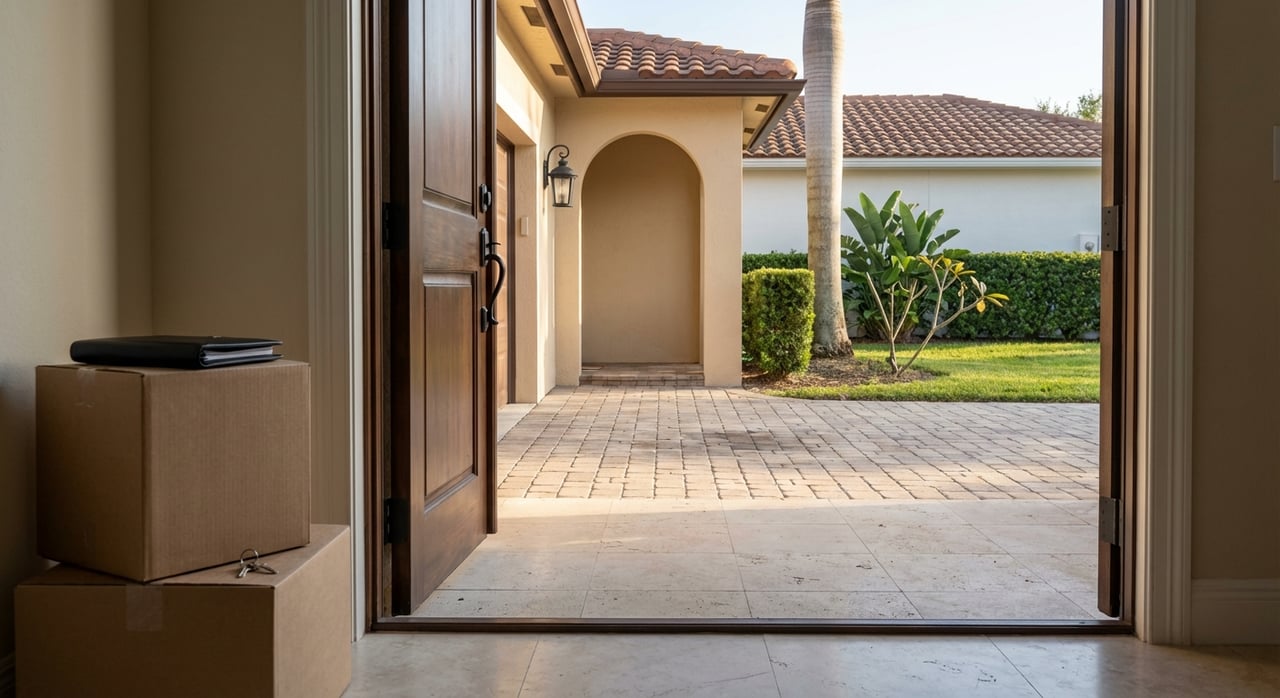
Trading up in Weston can feel like a high-wire act. You want more space or a different layout, but you also want to protect your equity and avoid two moves. If you are weighing how to sell and buy with less stress, you are not alone. In this guide, you will get clear sequencing options, smart financing ideas, a Weston-specific timeline, and a simple checklist to keep you in control. Let’s dive in.
Weston market at a glance
Weston’s median values and days on market vary by data source. Recent aggregator snapshots show median sale prices in the mid-600s to mid-700s and days on market ranging from about two to three months, with some sources reporting longer times. These differences come from methods used, like closed sales versus listing or index values. Treat citywide numbers as ranges, then zoom into your micro-neighborhood for precise pricing.
Local indicators also suggest Weston is not very competitive compared with some hotter South Florida submarkets. That can help buyers use contingencies and negotiation, especially outside the most in-demand gated communities. Even so, micro-markets like Weston Hills, Savanna, The Ridges, The Islands, and Sunset Springs can behave differently. Use neighborhood comps, not just city averages, when you set price and strategy.
Pick your move-up path
Sell first
Selling first keeps financing simple. You avoid a bridge loan and do not carry two mortgages. The tradeoff is timing. If the right home appears while you are still on market, you might miss it. Plan for short-term housing or a rent-back if you want a single move after you close.
Buy first
Buying first lets you move once and shop with confidence. You will likely need a bridge loan, a HELOC, large cash reserves, or a dedicated buy-before-you-sell product. This path is great for families who want stability around the school year, but it requires clear budgeting and an exit plan.
Contingent or simultaneous
You can make your purchase contingent on selling your current home. In Florida, you would use a sale-of-buyer’s-property rider. Seller acceptance depends on how competitive the listing is and how strong your overall offer looks. A well-structured contingency, realistic dates, and strong lender documentation help your offer land.
Use strong, clear contracts
Sale-of-buyer’s-property rider and kick-out
Florida contracts support a sale-of-buyer’s-property rider and an optional kick-out clause. A kick-out lets the seller keep marketing and gives you a short window to remove the contingency if a stronger offer appears. Learn how these tools work and why sellers see contingent offers as weaker unless you boost other terms. For a practical overview of contingencies and kick-outs, review this guide on how to buy a home contingent on selling yours first from SquareFootHomes.
Back-up offers and rent-back
A back-up offer positions you next in line if the first contract falls through. If you sell before you buy, you can also negotiate a short post-closing occupancy, often called a rent-back, so you can remain for a defined period after settlement. Written terms matter: rent amount, deposit, utilities, insurance, and penalties for holdover. For a plain-English explainer, see this overview of rent-back agreements from Jack Keller.
Offer strength in Weston
- Increase earnest money with clear timelines and lender approval.
- Provide a full pre-approval or, better, a conditional underwriting approval.
- Keep inspection periods efficient while protecting your interests.
- Offer a reasonable rent-back if the seller needs time to move.
- Use a bridge or HELOC to remove the home-sale contingency when possible.
Finance the transition wisely
Bridge loans
A bridge loan is a short-term loan that unlocks equity so you can purchase before you sell. Expect higher rates and fees than a standard mortgage, interest-only payments, and a 6 to 12 month term in many cases. You will need solid equity, credit, and a documented exit plan to sell or refinance. Review the basics in this overview from Experian.
HELOC or cash-out refinance
A HELOC can be a lower-cost, flexible line of credit compared with a bridge loan. Some lenders pause new HELOCs once a home is listed, so start early. A cash-out refinance locks a long-term rate but takes longer to close and resets your mortgage structure. Compare timing, costs, and underwriting with a lender who will show you side-by-side numbers. This comparison of bridge loans versus HELOCs from Point is a helpful primer.
Jumbo vs conforming
If your new loan will exceed the Federal Housing Finance Agency conforming limit, you will need a jumbo mortgage that often requires stronger credit, larger reserves, or a bigger down payment. The 2026 baseline conforming limit is $832,750. See the official announcement from the FHFA.
Rate locks and appraisal timing
If you use a bridge plus a new mortgage, you still go through full underwriting and an appraisal. Discuss lock length and any float-down options with your lender. Delays in appraisal or underwriting can push a lock, so give yourself margin.
Costs, taxes, and timing
- Closing timelines: Most financed purchases close in about 30 to 45 days from contract. Cash can close much faster, often within 1 to 2 weeks. Build in cushion for appraisal, underwriting, survey, and title clearance. See typical timelines summarized by LendingTree.
- Closing costs: Buyers often pay about 2 to 5 percent of the loan amount in closing costs. Sellers typically see 5 to 10 percent of the sale price in costs, with commission the largest line item. For a breakdown of common fees, review this guide from Bankrate.
- Florida homestead and portability: Florida’s homestead exemption and Save Our Homes assessment cap can be portable when you move, subject to limits and deadlines. Before you list, confirm filing windows and calculators with the Broward County Property Appraiser.
- Federal capital gains exclusion: Many sellers can exclude up to $250,000 in gain if single or $500,000 if married filing jointly, subject to ownership and use tests. Review the IRS guide to selling your home in Publication 523, and speak with your tax advisor.
Your 6–18 month plan
- T–18 months: Define your goals, like more space or a different layout. Request a comparative market analysis to estimate net proceeds after commissions and costs. Sketch a working budget for your next down payment.
- T–12 months: Talk with a lender about pre-approval and whether you will use a bridge loan, HELOC, or cash reserves. If you plan to pursue a HELOC, start the application early. If you expect to claim homestead on the next home, confirm portability steps with the county.
- T–6 months: Handle key repairs, updates, and curb appeal. Consider a pre-listing inspection so you can market with confidence. If you plan to buy first, collect lender quotes and terms now.
- T–3 months: Finalize pricing, staging, and photography. If you plan to submit a contingent offer, aim to get your current home under contract first, with realistic dates and documentation ready.
- T–30 to T–0 days: Coordinate title, survey, and insurance. Align your closing date with the Broward County Public Schools calendar if timing around school is important. Confirm exact BCPS dates for your target year on the district’s calendar page. Confirm homestead filing and portability steps for the new address with the county.
Neighborhood-level strategy
Weston is a master-planned city with distinct subdivisions that command different prices and move at different speeds. Gated areas like Weston Hills or The Ridges can attract strong demand and tighter timelines. Other neighborhoods like Savanna, The Islands, or Sunset Springs may offer different lot sizes, HOA structures, and price bands. Use recent, like-kind comps in your specific enclave to set price and strategy. Pay attention to HOA application timing, pet and leasing rules, and any architectural guidelines that can affect either your sale prep or your next purchase.
Pro checklist and team
- Get a lender pre-approval and request written comparisons for bridge, HELOC, and refinance options.
- Order a CMA and consider a pre-listing inspection.
- Build a staging and photography plan with a clear repair budget.
- Decide your sequencing path and outline contingency tools, like the sale-of-buyer’s-property rider, kick-out terms, or a rent-back.
- Confirm homestead and portability steps with the Broward County Property Appraiser.
- Line up your team: a Weston-focused listing agent, a mortgage officer who offers bridge or HELOC options, a Florida title company, and a real estate attorney for complex rent-backs or unusual terms.
Example scenarios
- Conservative sell-first: List in April, aim to close by late May or June, then shop with more leverage in late summer. You avoid bridge costs, though you may use a short-term rental or a planned rent-back to keep it to one move.
- Aggressive buy-first: Use a bridge or HELOC to secure the right home with a non-contingent offer. Move once, then prep your current home for an early fall listing. This path prioritizes stability and timing around school calendars, but it requires comfort with short-term financing and a clear exit plan.
Ready to design a move-up plan around your family’s timing and neighborhood? Request a private consultation with The Simpkin Team to map your numbers, staging plan, and sequencing so you can sell and buy smoothly.
FAQs
What does a Florida kick-out clause mean in a contingent offer?
- A kick-out lets the seller keep marketing the home and gives you a short window to remove your sale contingency if a stronger non-contingent offer appears, so you should be ready with financing or backup plans.
How long do Broward County closings usually take?
- Financed purchases commonly take about 30 to 45 days from contract to close, while cash deals can close in 1 to 2 weeks if title, survey, and inspections move quickly.
Can I transfer my Florida homestead cap when I move within Broward?
- Yes, Florida’s Save Our Homes benefit can be portable within limits and deadlines; confirm forms, calculators, and filing windows with the Broward County Property Appraiser.
Is a bridge loan better than a HELOC for a Weston move-up?
- It depends on timing and cost: bridge loans can fund fast non-contingent buys but carry higher rates and fees, while HELOCs may cost less but should be secured before listing.
When is the best time to list in Weston with kids in school?
- Late winter through spring often sees stronger seller activity nationally; in Weston, align your listing window with neighborhood demand and the BCPS calendar to reduce disruption.
Will I need a jumbo loan for a higher-priced Weston home?
- You may if your loan amount exceeds the FHFA conforming limit of $832,750, since jumbo loans often require stronger credit, larger reserves, or bigger down payments.