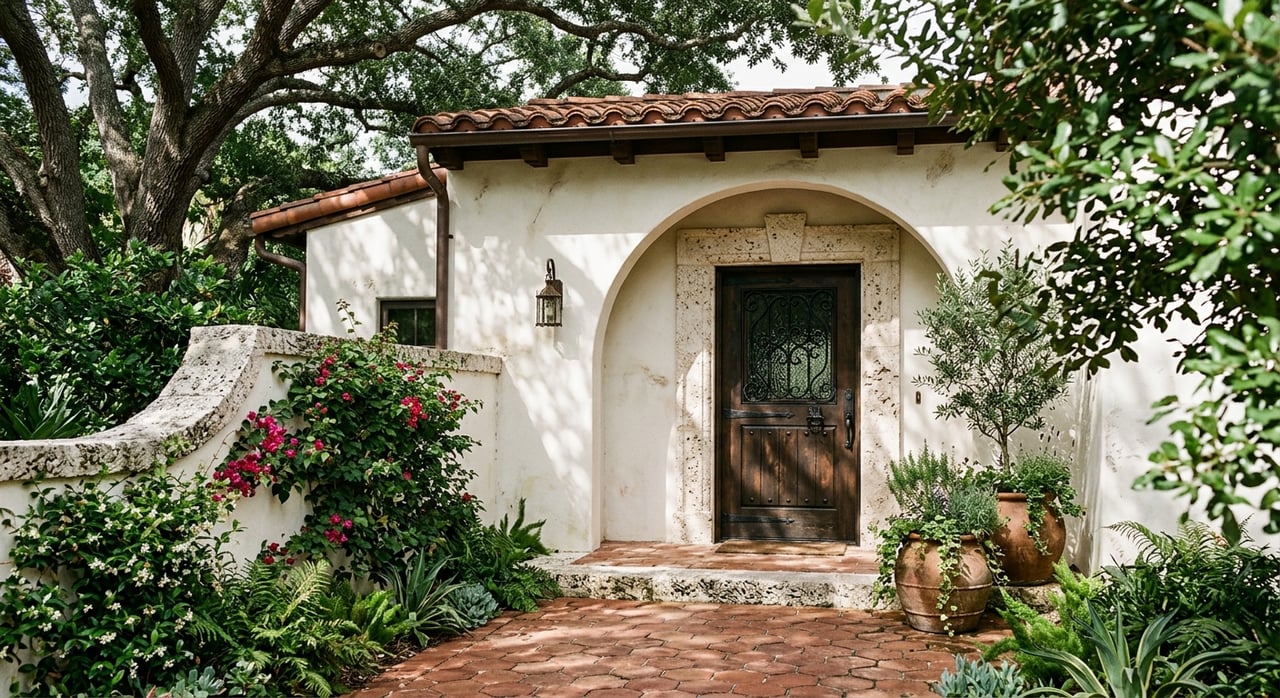
Wondering whether historic Coral Gables is just beautiful to visit or truly a place you could call home? If you are drawn to architecture, mature landscaping, and neighborhoods with a strong sense of identity, this part of Coral Gables can feel especially compelling. Living here means enjoying a polished, established setting while also understanding the responsibilities that come with historic character. Let’s dive in.
Historic Coral Gables at a Glance
Historic Coral Gables has a distinct identity because it was intentionally planned as both a “City Beautiful” and a “Garden City.” The city describes its founding vision as one of lush green avenues, civic landmarks, and playful architecture, and that vision still shapes the experience today.
You can feel that planning in the streetscape. Tree-lined roads, landscaped medians, and architecturally cohesive blocks create an environment that feels curated rather than accidental. For many buyers, that sense of order and permanence is a major part of the appeal.
The city also notes that more than 1,000 properties are on the Coral Gables Register of Historic Places. That helps explain why the area feels so visually consistent and why buyers often see historic Coral Gables as one of South Florida’s most recognizable residential settings.
What the Neighborhood Feels Like
Living in historic Coral Gables often means your day-to-day backdrop is as memorable as the home itself. In the historic core, Miracle Mile serves as a lively main street with Mediterranean-style facades, outdoor cafés, boutiques, and tree-lined medians.
That mix creates an atmosphere that feels established and active without losing its polish. You get a setting that supports both a neighborhood feel and a destination feel, which is not always easy to find.
The larger visual identity of the city adds to that experience. Landmarks like Douglas Entrance, City Hall, the Biltmore Hotel, and Venetian Pool reinforce the old-world character that many people associate with Coral Gables.
Architecture Shapes Daily Life
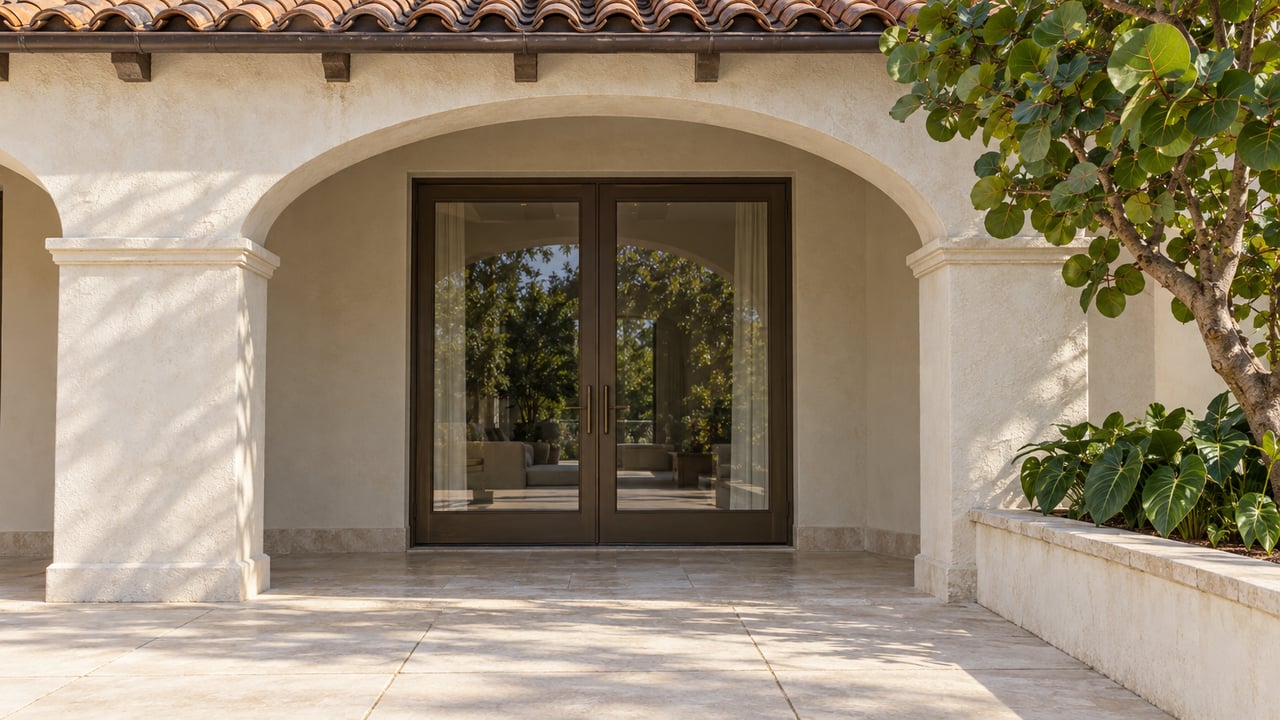
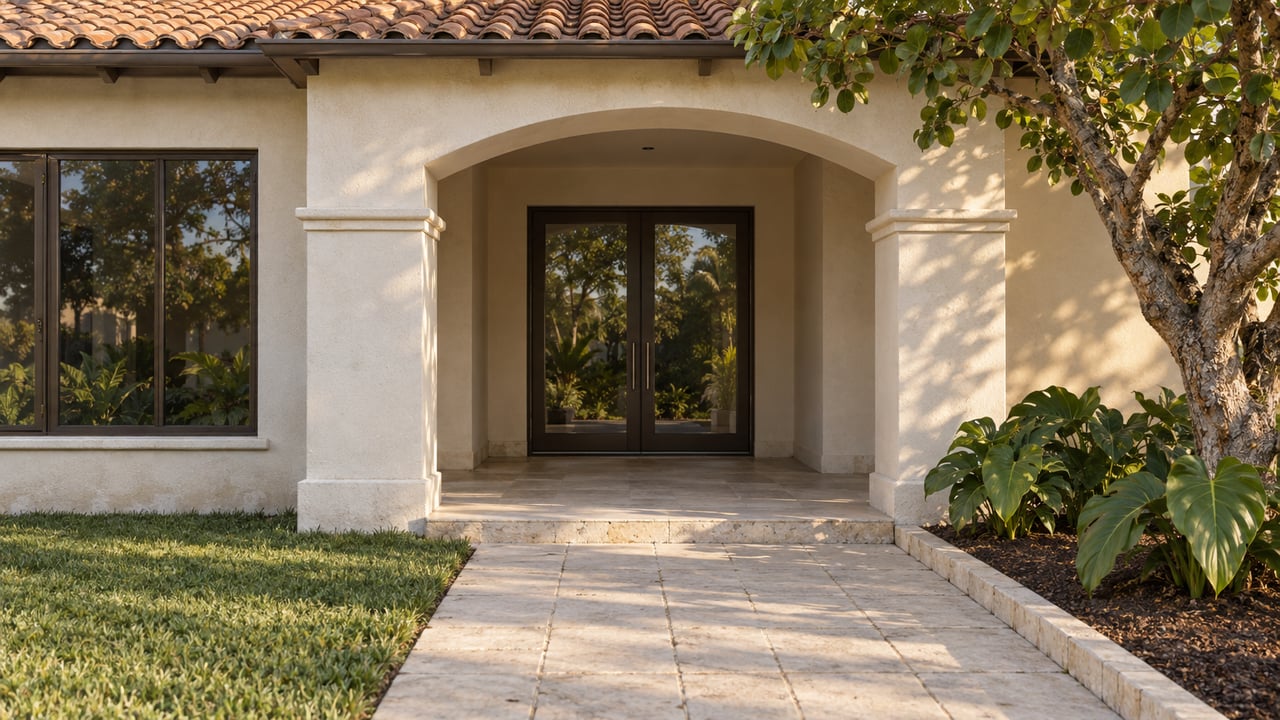
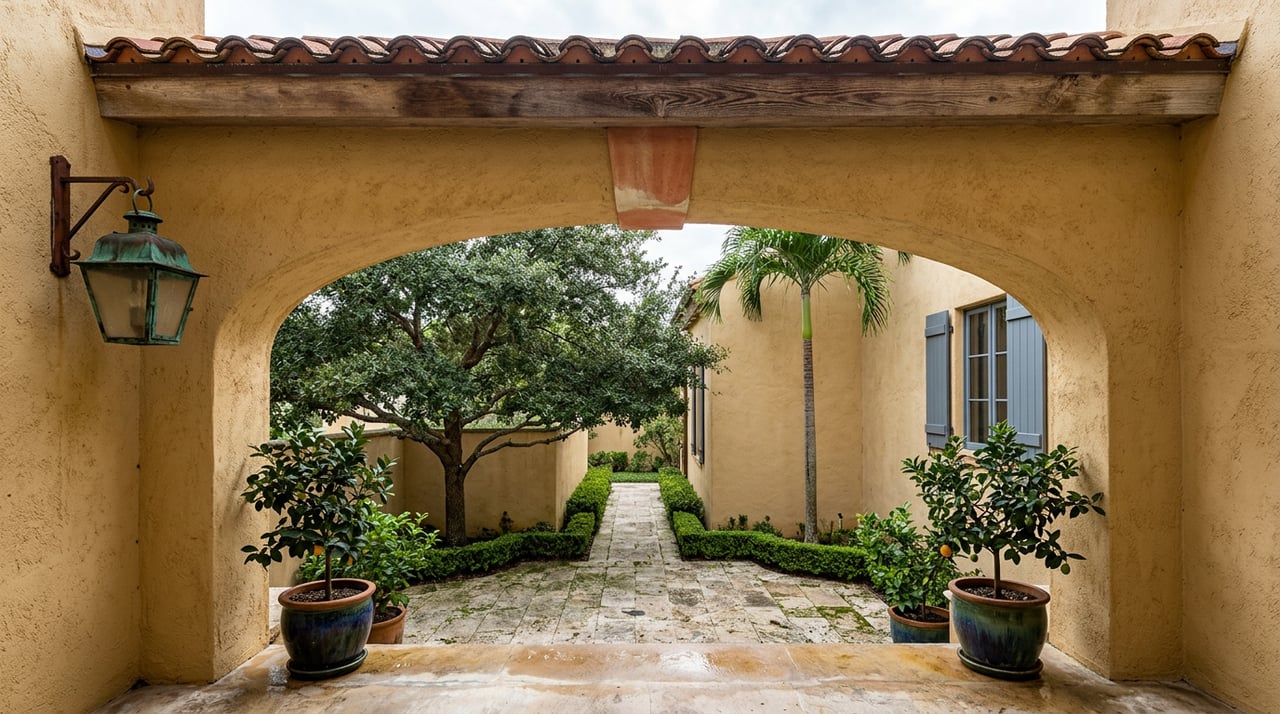
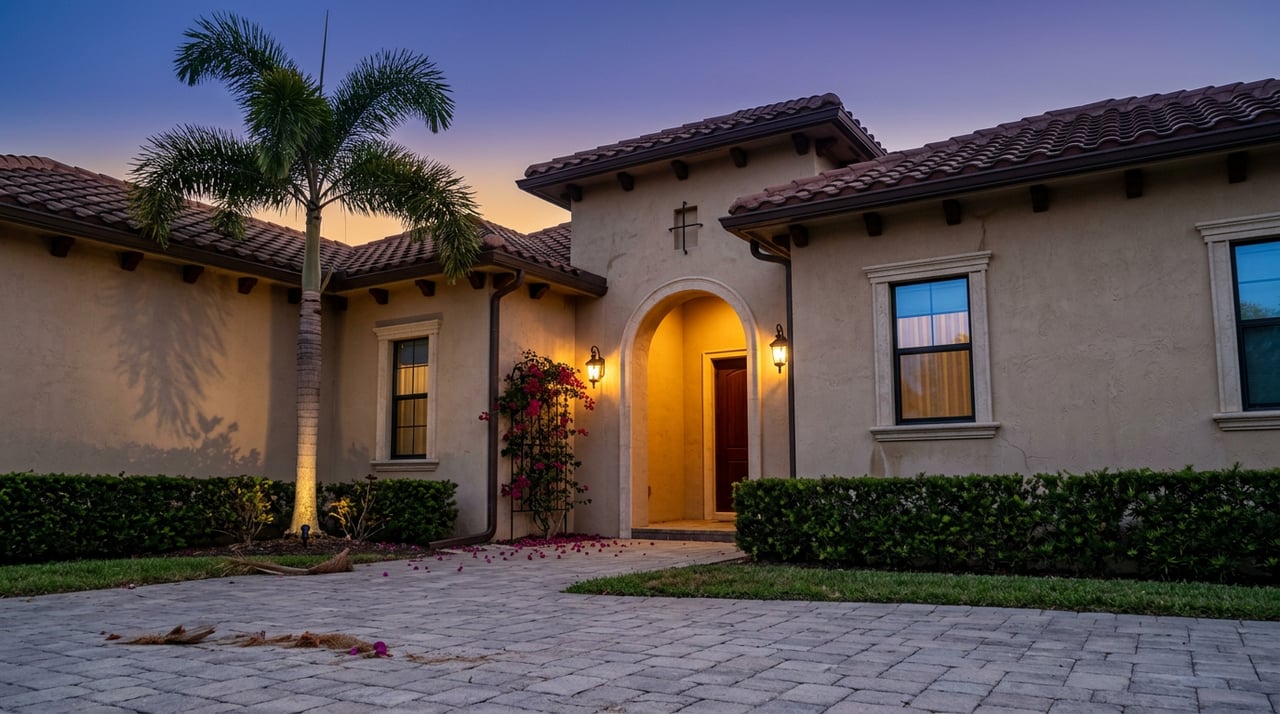
One of the biggest reasons people are drawn to historic Coral Gables is the architecture. The city’s preservation guide highlights features such as coral rock, smooth stucco, barrel tile roofs, clay vents, wooden doors, open loggias, arches, wall fountains, and simple perimeter walls as part of the historic design vocabulary.
These details do more than make homes look attractive. They create a strong visual rhythm from one property to the next, which can make entire blocks feel cohesive and thoughtfully designed.
If you enjoy homes with character, this can be a major advantage. Historic Coral Gables tends to offer a level of architectural presence that feels hard to replicate in newer communities.
Not Every Historic Area Looks the Same
It is also important to know that “historic Coral Gables” is not one single look. While many people picture the Mediterranean Revival style first, not every historic pocket follows that exact pattern.
For example, the MacFarlane Homestead subdivision is the city’s only National Register historic district. Most of its homes were built between 1926 and 1939 and are described by the city as wood-frame vernacular, which gives that area a different feel from the more widely recognized Mediterranean-style core.
That variation matters when you start your home search. Your experience can shift depending on the pocket, the architecture, and the level of historic designation tied to a specific property.
The Streetscape Is Part of the Lifestyle
In historic Coral Gables, the setting around your home matters almost as much as the home itself. The city places clear value on scale, massing, roof pitch, window type and placement, and exterior materials, because those elements shape the streetscape as a whole.
That means the neighborhood experience tends to feel visually unified. Instead of a street with sharply mismatched styles or disruptive additions, you are more likely to see homes and updates that work with the existing architectural context.
For buyers, this can translate into a more consistent sense of place. It also means you are buying into a lifestyle where design continuity is part of the value proposition.
What Buyers Should Know About Renovations
Historic charm comes with an important practical consideration: renovation approvals matter here. If you are considering a historic property, it is smart to understand early how exterior changes are reviewed.
According to the city’s preservation guide, designated properties require review for exterior work that needs a building permit. A Certificate of Appropriateness is generally required before most exterior work begins and before a building permit can be issued.
More substantial changes, such as additions, demolitions, or major exterior remodels, may be referred to the Historic Preservation Board. Routine maintenance may be handled administratively, but the overall takeaway is clear: planning ahead matters.
Preservation Does Not Mean Frozen in Time
That said, historic protections in Coral Gables are not meant to stop all change. The city’s guide makes clear that updates are allowed when they are compatible with the existing architecture.
In practice, that means thoughtful renovations are possible, but they are expected to respect the original building and the surrounding streetscape. Additions and infill are not meant to copy the original home exactly, but they should be compatible in scale, materials, and design character.
For many homeowners, that balance is reassuring. It helps preserve what makes the neighborhood special while still allowing homes to evolve over time.
How Historic Designation Works
If you are buying in historic Coral Gables, it helps to know how local designation works. The city says properties generally need to be at least 50 years old and significant for architecture, history, or association, and the designation process includes public hearings.
The Historic Preservation Board has final authority in that process. Coral Gables also notes that it was the first city in Dade County to enact historic-preservation legislation back in 1973.
This long-standing preservation framework is part of why the city’s historic areas feel so intact today. It also gives buyers a clearer sense of how preservation decisions are handled locally.
Costs, Taxes, and Practical Upsides
Buyers often assume historic status automatically means higher costs or extra city fees. In Coral Gables, the preservation guide says there are no additional fees because of historic status.
The city also states that historic designation does not automatically raise assessed property taxes. In some cases, qualifying improvements may be eligible for a ten-year freeze on the value of those improvements for local ad valorem tax purposes.
Those details can matter if you are comparing a historic home with a property in a non-historic area. While every purchase has its own financial picture, it is helpful to know that historic designation does not automatically create the drawbacks some buyers expect.
Amenities That Support the Lifestyle
Part of what makes living in historic Coral Gables appealing is that the neighborhood character extends beyond residential streets. The area’s landmarks and gathering places help shape everyday life.
The Biltmore Hotel, built in 1926, remains one of the city’s signature landmarks. The city describes it as a 271-room resort on more than 150 acres, with Mediterranean architecture and Italian, Moorish, and Spanish influences.
Venetian Pool adds another layer of local character. Opened in 1924 as the Venetian Casino and created from a former quarry pit, it is listed on the National Register of Historic Places.
For shopping and dining, Shops at Merrick Park offers a more contemporary complement to the historic environment. The city describes it as a two-floor outdoor shopping mall with restaurants, boutiques, department stores, a movie theater, and a gym.
Who Historic Coral Gables Fits Best
Historic Coral Gables tends to appeal to buyers who value setting, architecture, and long-term character. If you want a home in a place that feels visually established and carefully maintained, this area stands out.
It may be especially attractive if you appreciate the idea of living in a neighborhood where preservation helps protect the overall look and feel. That can offer peace of mind, particularly if streetscape consistency matters to you.
At the same time, it is important to be realistic. If your priority is making fast or highly visible exterior changes without a review process, a designated historic property may require more patience and planning than you want.
The Bottom Line
Living in historic Coral Gables means buying into more than a house. You are stepping into a landscape-rich, architecturally cohesive environment where landmarks, design standards, and preservation all shape daily life.
For the right buyer, that is exactly the point. You get beauty, identity, and a strong sense of place, along with a city process designed to protect what makes the area special.
If you are considering a move to Coral Gables and want clear, discreet guidance on how to evaluate historic homes, renovation considerations, and lifestyle fit, The Simpkin Team is here to help.
FAQs
What is historic Coral Gables known for?
- Historic Coral Gables is known for its planned “City Beautiful” and “Garden City” design, tree-lined avenues, civic landmarks, and a large collection of historically recognized properties.
What do homes in historic Coral Gables typically look like?
- Many homes feature elements such as coral rock, smooth stucco, barrel tile roofs, arches, wooden doors, open loggias, and other details tied to the city’s historic architectural vocabulary.
Are all historic Coral Gables neighborhoods Mediterranean in style?
- No. While Mediterranean Revival is a defining look in many areas, places like the MacFarlane Homestead subdivision have a different character, with many wood-frame vernacular homes built between 1926 and 1939.
Do historic Coral Gables homes have renovation rules?
- Yes. For designated properties, exterior work that requires a building permit is reviewed by Historic Preservation staff, and major projects may also go before the Historic Preservation Board.
Does historic designation in Coral Gables increase property taxes automatically?
- No. The city states that historic designation does not automatically raise assessed property taxes, and some qualifying improvements may be eligible for a ten-year freeze on the value of those improvements for local ad valorem tax purposes.
What is everyday life like near historic Coral Gables landmarks?
- Daily life can include access to well-known local destinations such as Miracle Mile, the Biltmore Hotel, Venetian Pool, and Shops at Merrick Park, all of which contribute to the area’s established lifestyle and sense of place.