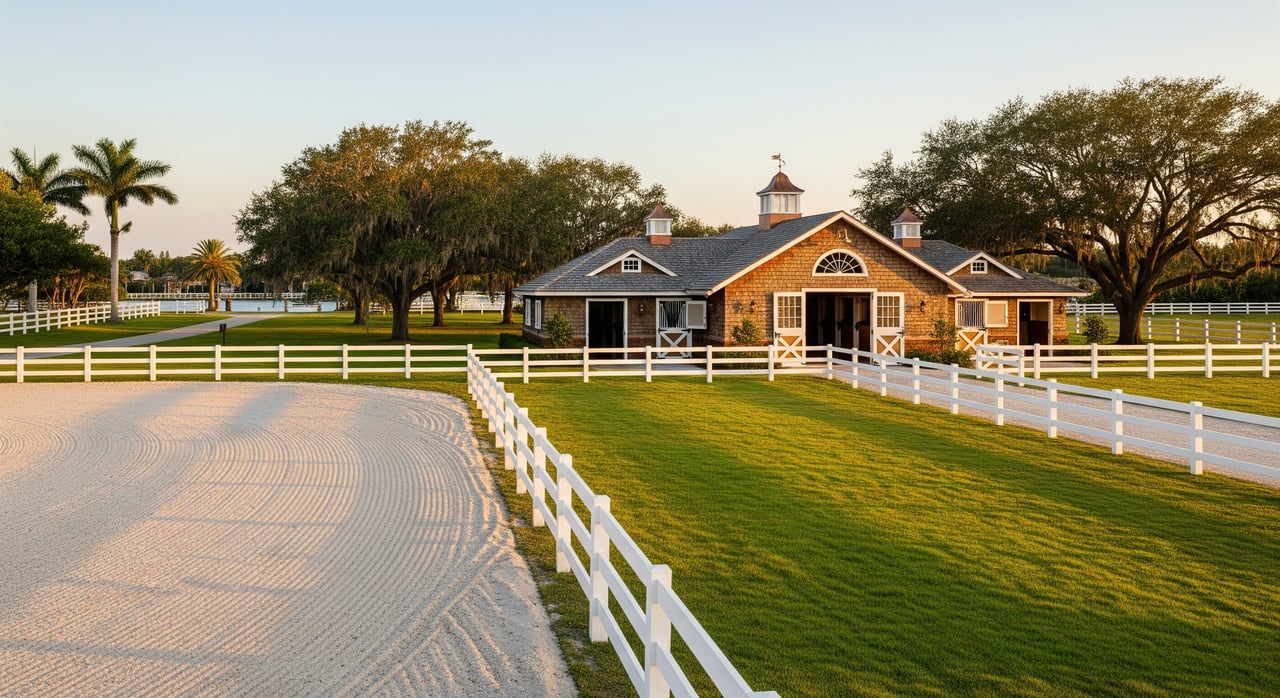
Dreaming of waking up to your horses in Davie? With its semi-rural vibe and larger lots, West Broward can deliver the equestrian lifestyle without giving up everyday convenience. Buying the right acreage takes more than curb appeal, though. In this guide, you will learn how to vet zoning, drainage, barn and paddock features, insurance, and daily logistics so you can buy with confidence. Let’s dive in.
Why Davie fits horse ownership
Davie is known for an equestrian-friendly culture and bigger residential lots compared to many Broward neighborhoods. You still need to verify the rules for your specific parcel, since properties can sit inside Town of Davie limits or in adjacent unincorporated Broward. Services and regulations can differ.
The location works well if you want space for barns and turnout while staying close to West Broward amenities. Your goal is to match the property’s layout, access, and utilities with how you plan to ride, board, and maintain your horses year-round.
Start with rules and maps
Before you fall in love with a barn, confirm what you can do on the land. Use these checks early in your search:
- Confirm whether the parcel is inside the Town of Davie or unincorporated Broward. Rules differ.
- Verify zoning and land use. Ask the Town of Davie planning, zoning, and building departments about allowed equine uses, outbuilding setbacks, and any boarding restrictions.
- Pull records from the Broward County Property Appraiser to confirm the legal description, acreage, and tax history.
- Review Broward County land use maps for classification and any overlay districts.
- Check FEMA flood maps for the property’s current flood zone and base flood elevation.
- Review South Florida Water Management District and Florida Department of Environmental Protection resources for wetlands, canal proximity, and water-management constraints.
- Look up soils on the USDA NRCS Web Soil Survey and review septic guidance for high water-table areas.
- Ask the Florida Department of Agriculture and Consumer Services and UF/IFAS Extension Broward County for livestock, pasture, and disease-prevention guidance.
- Read any HOA or deed restrictions that could limit barns, fences, trailer parking, or livestock.
Evaluate lot and access
Shape and usable acreage
Lot shape affects daily efficiency. A square or wider configuration reduces fencing runs and makes it easier to place paddocks and service paths. Long narrow parcels can force long walks and awkward paddock placement. Focus on usable high ground where barns and sacrifice areas will hold up in heavy rain.
Driveway and trailer movement
Bring a trailer or measure turning radii. Check gate swing and clearance, driveway width, and surface firmness. Look at how you enter from the road and where you can safely turn around a loaded trailer. Night lighting and a keypad or remote gate add safety and convenience.
Road access and commute
Consider both your daily commute and access for vets, farriers, feed trucks, and hay deliveries. Note if the last stretch is paved or unpaved and how it behaves after heavy rain.
Barn design essentials
Stalls and aisles
For many riding horses, 10x10 to 12x12 stalls are common practice. Confirm stall dimensions and aisle width for safe two-way movement. If stalls open to a central aisle, plan a loading area where a horse can stand calmly without blocking others.
Airflow and light
South Florida is hot and humid. Look for cross ventilation, ridge vents, and shaded orientations that reduce heat and mildew risk. Natural light improves comfort and cuts energy use.
Floors and drainage
Check that stall bases are properly compacted and, if present, that rubber mats drain well. Avoid slick surfaces and standing water. Inspect wash racks and aisle drains so runoff flows away from structures.
Feed and tack storage
Feed and tack rooms should be dry, ventilated, and rodent resistant. Keep them separate from chemicals and manure. Organized storage improves safety and day-to-day efficiency.
Turnout and fencing
Turnout acreage and rotation
A common rule-of-thumb is 1 to 2 acres per horse for healthy pasture, but true needs vary with forage productivity and management. Use sacrifice areas and multiple small paddocks to protect grass during wet periods. For local recommendations, consult UF/IFAS Extension Broward County.
Drainage and elevation
South Florida’s high water table makes drainage critical. Favor raised areas for shelters and high-traffic gates. After rain, walk paddocks to see where water lingers and where compaction is developing.
Fencing type and height
Inspect fence material, visibility, and height. Many riding horses do well with fencing around 4.5 to 5 feet high, but always verify what is permitted locally. Choose materials that balance safety, visibility, maintenance, and cost.
Shade and shelter
Natural shade or run-in sheds help horses manage heat and sudden storms. Confirm that trees near paddocks are non-toxic to horses and are maintained to reduce limb drop.
Water, irrigation, and manure
Water source and flow
Confirm if the property uses municipal water or a well. Test flow rates at the house and barn, and map the lines to troughs and wash racks. If you have a well or irrigation system, check any permitting or usage rules.
Trough placement and power
Place troughs to minimize mud and allow easy cleaning. Pumps and float valves need reliable power. Consider backup options for storm season.
Manure storage and removal
Locate the manure area away from wells, homes, and water bodies. Ask about removal frequency and local rules for runoff. A tidy, well-sited compost or dumpster system reduces pests and odor.
Trailer and equipment storage
You need room for trucks, trailers, and maintenance equipment. Look for a hardstand with good drainage and space to maneuver. Covered parking helps protect trailers, hay, and gear from sun and rain. Exterior outlets and security lighting make early or late tasks safer.
Legal, insurance, and permits
Zoning and building permits
Confirm whether private horses are permitted and whether commercial uses like boarding or lessons require additional approvals. Barns, covered arenas, sheds, and fencing can require permits and must meet setbacks. In high water-table areas, septic systems and drainfields face special constraints.
Liability and insurance
Florida has statutes related to equine activity liability, but you should still consult an attorney and secure appropriate coverage. Many homeowners’ policies do not cover equine activities. If you plan boarding or paid instruction, discuss equine or farm liability policies with an experienced agent.
Business licensing and taxes
If you intend to operate a business, you may need local licensing and registrations. Ask about sales tax registration and whether any agricultural exemptions apply to your planned use.
Daily operations in South Florida
Feed, hay, and supplies
Ventilation is key for hay storage in a humid climate. Identify nearby feed stores, hay suppliers, and normal delivery schedules. Have a backup source planned for storm season or supply disruptions.
Vets, farriers, and emergencies
Map equine veterinarians, farriers, and 24/7 emergency services within practical trailering distance. Travel time affects cost and scheduling. Confirm that service vehicles can access your barn and turnout areas.
Parasites, pests, and disease
The warm climate supports year-round parasite life cycles and mosquito pressure. Work with UF/IFAS Extension and your veterinarian on vaccination, deworming, and vector control plans that fit local conditions.
Hurricanes and flooding
Plan for storms. Keep your trailer road-ready, fuel on hand, and supplies secured. Evaluate whether your barns and paddocks sit high enough to reduce flood exposure. Identify evacuation routes and any facilities that accept horses if you need to move inland.
Buyer checklist
Documents to request
- Recent survey and legal description
- Title documents and any recorded covenants or HOA rules
- Property tax and assessment records
- Building permit history and any open code issues
- Septic permits, soil reports, and any flood elevation certificates
- Pasture and paddock management records, if available
On-site inspection
- Confirm gate width and trailer turning radius
- Inspect barn roof, ventilation, stall size, flooring, and drainage
- Walk paddocks after rain to spot standing water and compaction
- Evaluate fencing visibility, height, material, and electric lines
- Locate water sources and test pressure at barn fixtures
- Identify manure storage and distance from water features
- Check hay lofts and feed rooms for mold and rodents
- Verify distance to vets, farriers, feed suppliers, and trailer-friendly roads
Questions for the seller
- Are there recorded trail easements or direct access to public riding paths?
- Have there been drainage problems, and what improvements were made?
- Has the property had flooding or hurricane damage, and were repairs permitted?
- What utilities serve the barn and outbuildings, and is there backup power?
- Has the site ever hosted boarding, training, or lessons with permits?
Your next steps in Davie
Buying equestrian property in Davie is about matching your vision with the right layout, rules, and logistics. With parcel-level due diligence on zoning, drainage, barns, paddocks, and insurance, you can move forward with clarity and confidence.
If you are exploring horse-friendly acreage in Davie or West Broward, connect with a local team that treats your goals with discretion and care. For a private, tailored plan for your search, contact The Simpkin Team.
FAQs
What makes Davie a good place for horse owners?
- Davie offers an equestrian-friendly culture and larger lots, plus access to West Broward amenities, but you should verify parcel-specific zoning and drainage before buying.
How do I know if horses are allowed on a Davie parcel?
- Check with the Town of Davie planning and zoning offices and review Broward County land use maps to confirm permitted equine uses, animal counts, and any boarding restrictions.
Are Davie equestrian properties at risk of flooding?
- Some parcels can be in flood-prone zones due to canals and high water tables, so verify FEMA flood zones, base flood elevation, and local drainage before you commit.
What stall and paddock features work best in South Florida?
- Aim for safe stall sizes like 10x10 to 12x12, strong ventilation, non-slick floors with good drainage, multiple paddocks with sacrifice areas, and fencing around 4.5 to 5 feet where permitted.
Do I need special insurance for a backyard barn in Florida?
- Many homeowners’ policies exclude equine activities; discuss equine or farm liability coverage with an experienced agent, especially if you plan boarding or paid instruction.
Can I run a boarding or lesson business from a Davie home?
- It depends on zoning and permits; confirm with the Town of Davie, and review licensing requirements and any agricultural exemptions before operating.